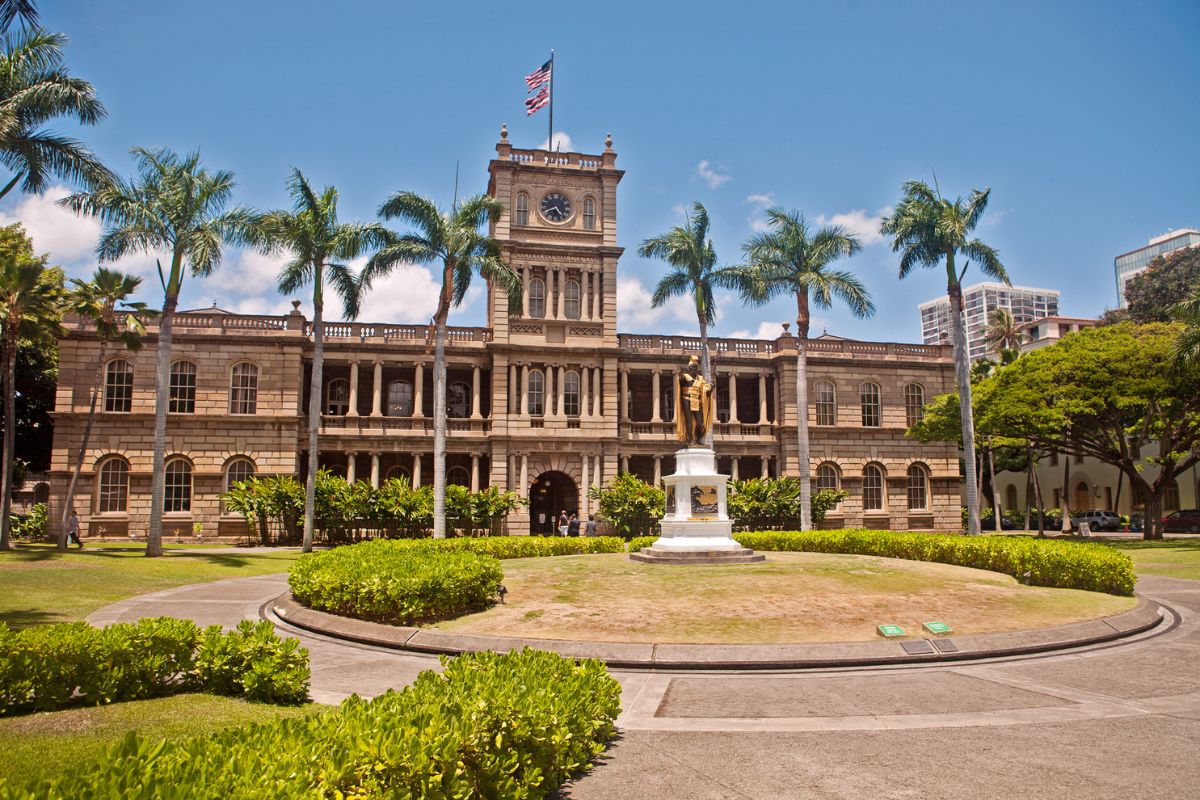
The living legacy of Hawaiʻi's monarchy isn't a relic locked behind glass, it's the heartbeat of the Islands today, and that's exactly why we should pay attention. This isn't a history lesson for the classroom; it's a story about how care, education, and cultural pride were woven into the very fabric of modern Hawaiʻi, and how those threads still hold. For travelers, this means the difference between seeing a place and understanding it, between snapping a photo of a palace and feeling the weight of who built it and why.
Consider the sheer foresight of the aliʻi. Queen Emma and Kamehameha IV founded Queen's Hospital in 1859 to serve all residents, a commitment that grew into today's Queen's Health System. Queen Kapiʻolani followed with a maternity home that now stands as a leading medical center for women and children. King Kamehameha III established a Board of Health in 1850, years before the first official state health board in the U.S. existed. These weren't just acts of charity; they were acts of governance that prioritized people. And that same spirit of nurturing extends to education, Queen Liliʻuokalani created a trust for orphaned children that still cares for Island keiki, and Princess Bernice Pauahi Bishop's estate founded Kamehameha Schools, which today operates across the Islands. When you walk through ʻIolani Palace, the only royal palace on U.S. soil, you're not just admiring the "American Florentine" architecture or the fact it had electricity before the White House. You're stepping into a place built by leaders who were modern, literate, and deeply invested in their community. As historian Zita Cup Choy puts it, the aliʻi considered themselves parents to their people. That's a legacy you can feel, not just read about.
What makes this story so compelling is how it reframes the visitor experience. Instead of a passive tour, you're invited into a living narrative, one that connects directly to the vibrant culture you can still explore today. King Kalākaua, the "Merrie Monarch," restored hula when missionaries called it sinful, and that pride in Hawaiian arts lives on in the world-famous Hilo competition dedicated to his name. The streets you drive, the hotels you book, the freeways you navigate, Lunalilo Freeway, Kalākaua Avenue, the Queen Kapiʻolani Hotel, all carry the names of these royal stewards. For those of us who crave authenticity over the generic, this is the key to unlocking a deeper connection with the Islands. It's the difference between a vacation and a genuine encounter with a culture that has fought to preserve its identity. We'd point you toward Discover Hawaiʻi's vibrant stories through its most captivating museums to see how these narratives are preserved, and From Thunder to Sacred Ground: Kahoʻolawe's 50-Year Journey Home to understand the ongoing struggle for land and identity that followed the overthrow. Even the quiet allure of Why We Can't Stop Pondering the Allure of Ni'ihau speaks to the resilience of a culture that refuses to be diluted.
Here's the takeaway worth holding onto: the monarchy's greatest legacy isn't the grandeur of its palaces, but the generosity of its vision. The hospitals, schools, and trusts they established weren't just for their time, they were built to outlast them. So the next time you're in Honolulu, don't just pass by the statue of King Kamehameha. Pause. Consider that the man standing there unified an entire kingdom in 1810 and that his descendants built the infrastructure of care you see all around you. The question worth asking isn't what happened to the monarchy, but how its spirit of stewardship continues to shape every hula performance, every hospital visit, and every child educated in a Kamehameha School classroom. That's the living legacy, and it's waiting for you to discover it.