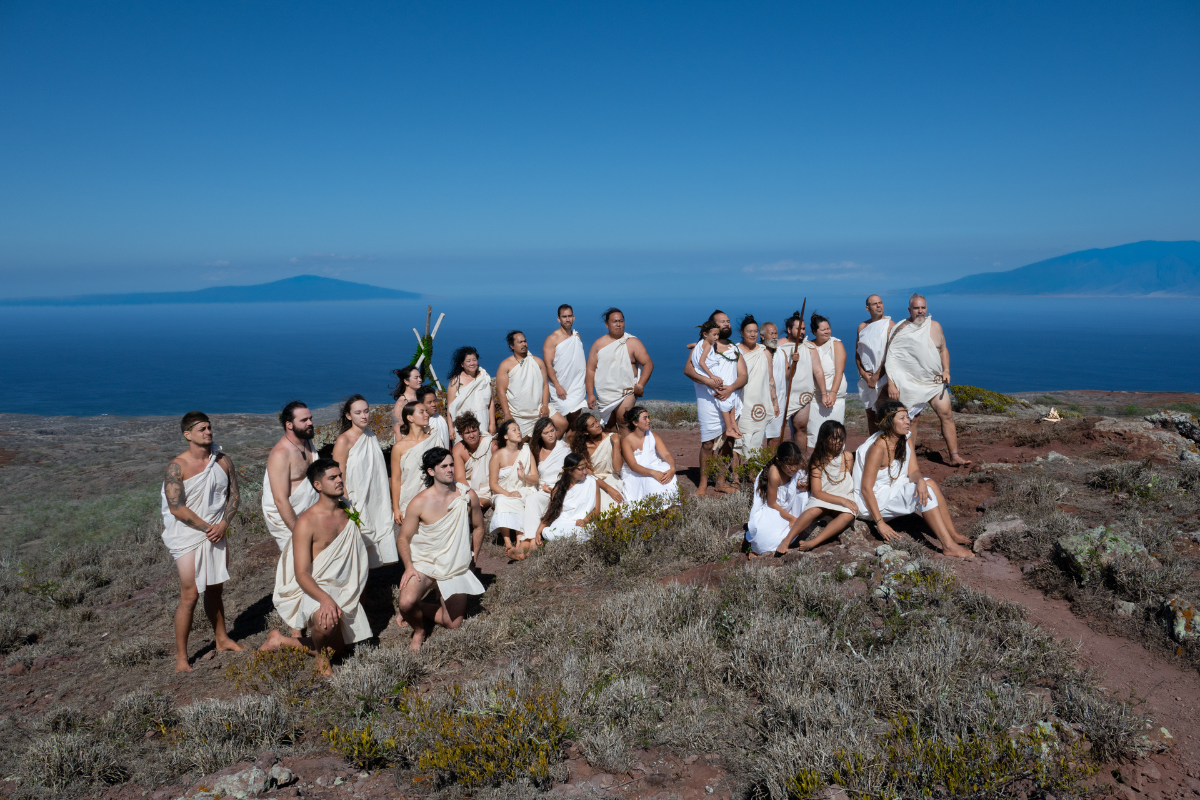
There's something profound in the realization that a place can be both scarred and sacred, and Kahoʻolawe embodies that truth better than most. For decades, the U.S. military used this island, just seven miles from Maui, as a bombing range, tearing into its red dirt and disturbing the surrounding waters while residents on Maui listened to the thunder. But the story of Kahoʻolawe isn't one of destruction alone; it's a fifty-year journey of reclamation, rooted in courage, ceremony, and an unyielding commitment to aloha ʻāina. That's a journey worth understanding, because it reshapes how we think about travel, heritage, and our own relationship to place.
For our readers, those who seek authentic, culturally rich experiences, Kahoʻolawe offers a powerful reminder that the most meaningful destinations aren't always the ones on postcards. The Protect Kahoʻolawe ʻOhana, born from a bold 1976 landing by activists like George Helm and Walter Ritte, has spent half a century transforming a military target range into a living classroom for stewardship. Today, the island is designated as the Kahoʻolawe Island Reserve, and access is limited to restoration, education, and cultural practices. That restriction isn't a barrier, it's an invitation to engage differently. Instead of snapping a photo from a distance, you can attend a talk story session at the Bishop Museum, where panels explore how intentional engagement with Kanaloa, the traditional name for the island, fosters generational commitment to balance. Or you can mark your calendar for the November 13 concert on the Great Lawn, celebrating the release of "50 Years of Aloha ʻĀina," featuring artists like Keahi Piʻiʻōhiʻa and Kimié Miner. These aren't passive events; they're opportunities to listen, learn, and let the island's story reshape your own sense of kuleana, or responsibility.
What makes this anniversary especially resonant is the way it connects the past to a very specific, present-day action. The Bishop Museum's new exhibit, "Kanaloa ka Lāʻa o Kohemālamalama," on the third floor of Hawaiian Hall, marks an evolution in how institutions honor living legacies rather than static histories. And the three talk story sessions, Laʻa, Maʻa, Paʻa, guided by the ʻōlelo noʻeau from the Kuloloioi ʻohana, explore how to consecrate, sustain, and solidify our relationship to ʻāina. For travelers who value depth over volume, that's a concrete itinerary: show up, sit in, and let a place that was once bombed teach you how to be still.
The question that lingers, and the one worth watching, is how this momentum translates beyond the anniversary year. Kahoʻolawe remains physically inaccessible to most of us, but the lessons it holds, about resilience, about the spiritual cost of disregard, about the power of a small group to reclaim what was taken, are portable. The island's red dirt will never be fully free of unexploded ordnance, but the community's work has already proven that a place can be both wounded and whole. That's not a sentimental closing thought; it's a practical truth for anyone wondering how to travel with intention. Go to the talk story. Listen to the mele. Let Kahoʻolawe's fifty-year journey home challenge your own definition of what it means to belong to a place.