Museums in Hawaiʻi have never been dusty rooms for polite boredom. They are living archives of a culture that refuses to sit still, and the ten institutions highlighted here prove that discovery is the island's default setting. Our take is simple: skip the generic souvenir hunt and spend your time inside these spaces, where the past doesn't just inform the present, it dances with it. This is where you'll find the authentic, layered Hawaiʻi that postcards can't capture, and you don't need a degree in art history to feel the pull.
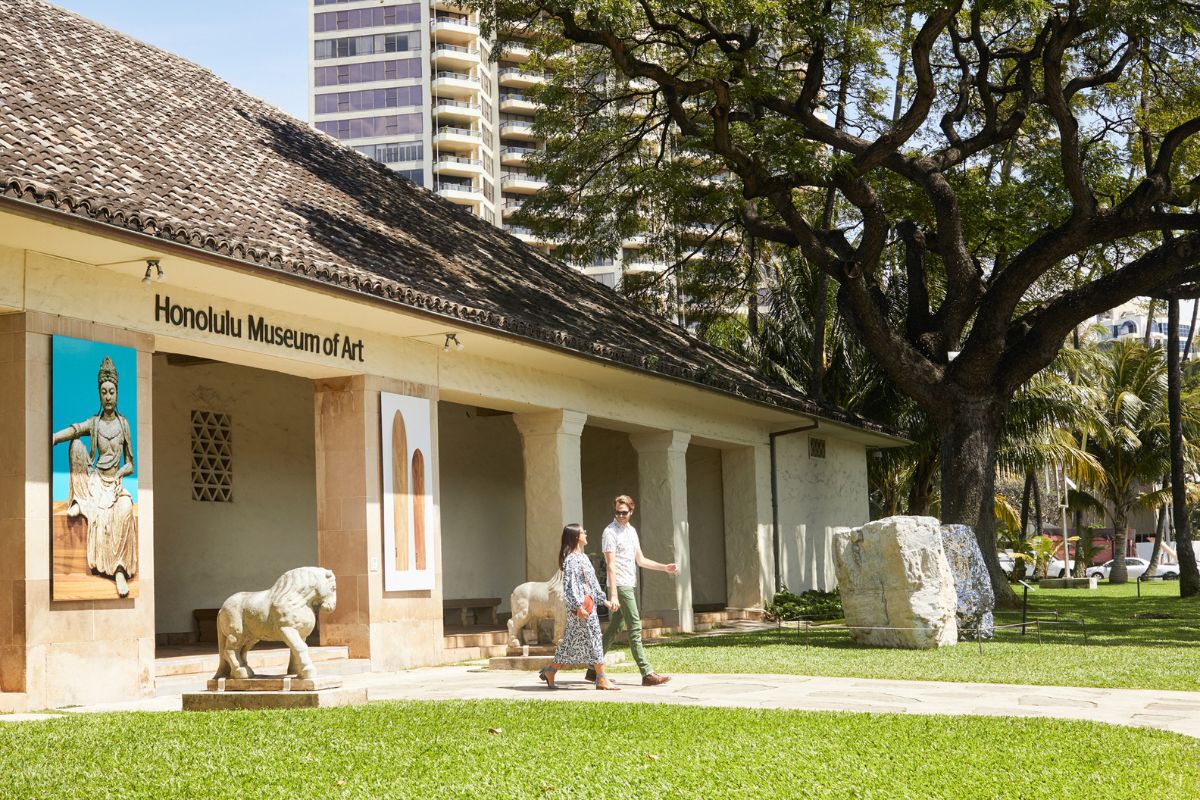
The Bishop Museum alone is worth the trip, a place where Princess Bernice Pauahi Bishop's royal heirlooms sit alongside one of the world's largest natural specimen collections. But what excites us is the after-hours event on the Great Lawn, where you can hear about new scientific discoveries while eating under the stars. That's the kind of elevated, grounded experience we crave, culture that feels like a community gathering, not a lecture. Similarly, the Honolulu Museum of Art's current "Awakening" installation, with endemic flora strung from the ceiling, turns a gallery into an immersive floral embrace, inviting you to reflect on nature's fragility. And for those who love a story behind the walls, Shangri La, Doris Duke's former home, offers a rare glimpse into Islamic art and culture, complete with the legacy of Duke Kahanamoku teaching her to surf. These are not just exhibits; they are conversations between worlds, much like the sunset harvest dinner we've written about in Gratitude on the Menu: A Sunset Harvest Dinner Overlooking Hanalei Bay, where communal tables and local flavors create their own kind of living history.
What makes this list so compelling is its refusal to separate nature from narrative. The Maui Ocean Center isn't just an aquarium; it's a guardian of marine ecosystems and a storyteller for Kahoʻolawe, honoring the Native Hawaiian movement that reclaimed a sacred island from military bombing. That's a profound reminder that culture here is not static, it's actively restored and protected. On Kauaʻi, the museum displays portraits of the monarchy alongside artisan works from Niʻihau, the forbidden island that continues to fascinate us, as explored in Why We Can't Stop Pondering the Allure of Ni'ihau. These institutions don't just show you artifacts; they show you a living, breathing relationship between people and place, a theme that resonates with the volcanic energy we've highlighted in Discover Wellness Rooted in Hawaiʻi Island’s Volcanic Energy.
The practical takeaway is bold: plan your itinerary around these museums, not as an afterthought, but as the main course. Go to ʻIolani Palace and marvel at its electric lights, installed before the White House had them. Stand at Pearl Harbor and feel the weight of history, then walk through the Kauaʻi Museum and see the resilience of a people. Each visit is a chance to trade passive sightseeing for active engagement. So, the next time you're on the Islands, ask yourself: are you just passing through, or are you ready to explore the stories that make this place extraordinary? The museums are waiting, and they have more to say than you might expect.