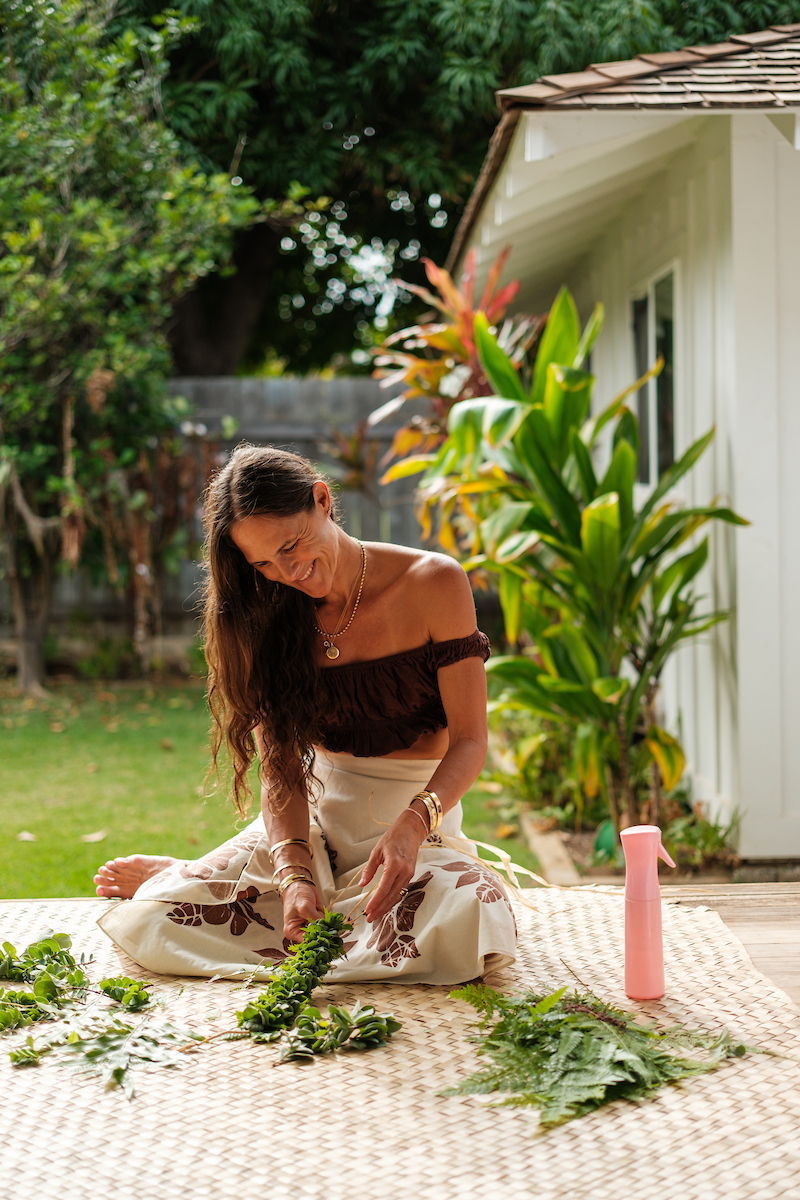
The art of lei making in Hawaiʻi is a beautiful testament to the islands' culture, community, and the spirit of aloha. As highlighted in a recent article detailing the personal experiences of a lei maker in Oʻahu, the act of creating and giving lei goes beyond mere tradition; it embodies the very essence of celebration and connection. Neighborhoods filled with plumeria and pua kenikeni trees become living repositories of shared resources, where the simple act of asking a neighbor for flowers fosters a sense of community and mutual support. This communal aspect of lei making is particularly poignant, reminding us that the islands thrive not just on the beauty of their natural flora, but on the generosity of their people.
Celebrating special occasions like birthdays and graduations with lei is more than a custom; it's a way to immortalize moments of joy and transition in a tangible form. Each lei, handcrafted with care, carries a unique story and serves as a visual representation of love and appreciation. The vibrant colors and fragrant blooms symbolize the spirit of the islands, making each lei a cherished gift that connects the giver and receiver in a profound way. This cultural practice aligns perfectly with our previous exploration in How to Celebrate Lei Day in Hawaiʻi, where we discussed how this iconic Hawaiian symbol serves not only as an adornment but as a powerful expression of identity and belonging.
Moreover, the work of artisans like Jill Harunaga, who is renowned for her one-of-a-kind creations, highlights the significance of craftsmanship and the personal touch in a world increasingly dominated by mass production. Each lei crafted by skilled hands is a piece of art, embodying the dedication and passion of its maker. This focus on authenticity is vital in a society that often craves genuine experiences over generic offerings. By choosing to support local artisans, we not only celebrate their talent but also reinforce the cultural heritage that these floral creations represent. The artistry involved in lei making is akin to the culinary adventures we embark upon, as discussed in our piece on the local flavors of Hawaiʻi, where every dish tells a story of its own.
As we consider the enduring tradition of lei making, it beckons us to reflect on the deeper meanings behind the gifts we give and receive. In a world that can sometimes feel disconnected, the act of presenting a lei invites intimacy and connection, reminding us that we are part of a greater community, woven together by shared experiences and traditions. As we move forward, let us ask ourselves how we can continue to celebrate and honor these local customs while fostering a sense of belonging and appreciation for the beauty that surrounds us. The next time you receive or give a lei, consider the layers of meaning it carries, and how it encapsulates not just a moment, but a rich tapestry of culture, connection, and community.