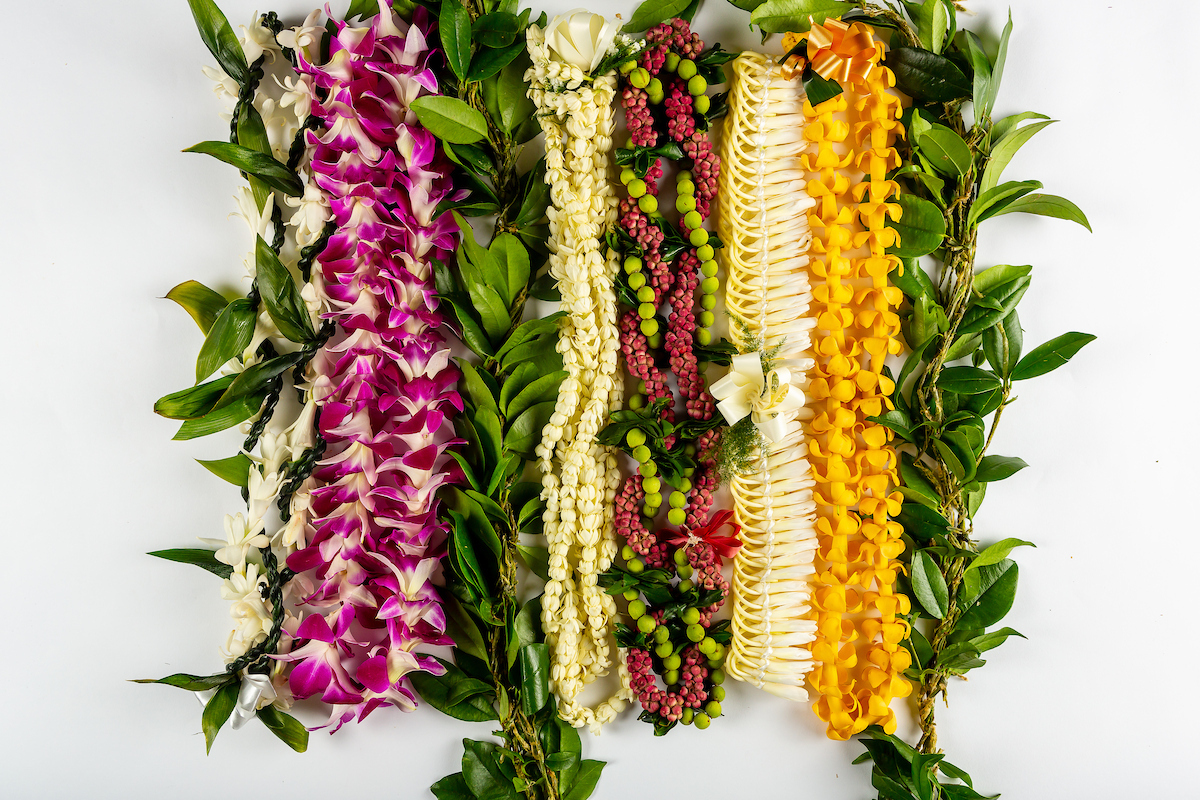
How to Celebrate Lei Day in Hawaiʻi
Our take

Lei Day, celebrated annually on May 1, serves as a vibrant tribute to one of the most cherished symbols of Hawaiian culture: the lei. This beautiful adornment, woven from flowers and other natural materials, embodies the essence of aloha and the spirit of giving. Originating in the 1920s during a time of increased steamship travel to the Islands, Lei Day has transformed into a beloved tradition that unites communities across Hawaiʻi. From the festive gatherings at the 98th Annual Lei Day in Kapiʻolani Park to intimate family celebrations, the day offers countless opportunities to honor the history and significance of this iconic symbol. For those interested in the artistry of lei-making, exploring the Endearing Art of Lei Making in Hawaiʻi provides deeper insights into this beautiful craft and its cultural importance.
Participating in Lei Day helps reinforce our connection to the land and its traditions. The act of making and giving a lei is not merely about the physical item itself; it is an expression of love and appreciation, a way to share one's spirit and creativity with others. As people gather to create these floral masterpieces, they also engage in storytelling and sharing memories, fostering a sense of community that is essential to Hawaiian culture. This communal aspect of Lei Day resonates deeply, encouraging individuals to explore and rediscover the rich tapestry of local customs. It reminds us that the act of giving is as significant as the lei itself, inviting us to indulge in authentic connections that transcend the material.
The celebration of Lei Day also reflects the broader cultural and historical context of Hawaiʻi. It is a day that transcends generations, allowing the youth to engage with their heritage while simultaneously inviting visitors to immerse themselves in the local culture. By participating in the festivities, one can truly experience the elevated lifestyle that Hanalei Bay Country Club embraces—where luxury meets authenticity, and adventure is intertwined with cultural appreciation. As we celebrate Lei Day, it serves as an opportunity to reflect on our own connections to nature, community, and tradition. For those looking to expand their understanding of these cultural practices, exploring related topics such as the Endearing Art of Lei Making in Hawaiʻi can deepen the appreciation for this cherished custom.
As we look to the future, the significance of Lei Day offers a poignant reminder of the importance of preserving cultural heritage amidst modernization. The celebration invites us to consider how we can continue to honor and share these traditions with future generations, ensuring that the spirit of aloha remains vibrant and alive. The question we should ponder is: How can we each contribute to the weaving of our cultural fabric, not just on Lei Day, but throughout the year? Engaging with local customs, sharing stories, and fostering community connections are all ways to keep the spirit of the lei—and the essence of Hawaiʻi—alive. As we celebrate this special day, let us embrace the opportunity to explore, discover, and indulge in the rich culture that surrounds us, creating lasting memories and connections that truly embody the meaning of aloha.
Every year May 1 marks Lei Day in Hawaiʻi. It’s a tribute to the iconic Hawaiian lei, a beautiful symbol of aloha that is so tightly woven in Hawaiian culture.
Originating in the 1920s during a period of steamship travel to the Islands, Lei Day has blossomed into a beloved tradition. Throughout the Islands, festivals and events are held to commemorate the history and significance of lei. Whether it’s attending the 98th Annual Lei Day in Kapiʻolani Park or making a lei for a loved one, there are many ways to celebrate Lei Day in Hawaiʻi in 2026.
READ MORE: 7 of Hawaiʻi’s Most Popular Lei and What Makes them Unique
History of Lei Day in Hawaiʻi
The idea of Lei Day originated in Honolulu, Oʻahu in the 1920s. During this period, travel to the Islands by means of steamship was growing—and so were the number of lei sellers lining the piers and sidewalks of Downtown Honolulu.
The poet Don Blanding believed Hawaiʻi should have a day dedicated to celebrating the flower lei. He pitched his idea to Grace Tower Warren, a columnist at the Honolulu Star-Bulletin. Warren suggested the holiday should be May 1, and is credited with coining the phrase “May Day is Lei Day.”
It turns out May was a great choice, as many flowers are in bloom, making May Day a vibrant and joyful celebration to this day.
READ MORE: How May Day Became Lei Day in Hawaiʻi
2026 Lei Day Events in Hawaiʻi

Photo: Aaron K. Yoshino
Throughout Hawaiʻi, colorful festivals and special events commemorate the tradition of lei. There are many events on Oʻahu to celebrate Lei Day this year.
One of the largest lei festivals is the annual Lei Day Celebration at Kapiʻolani Park on Oʻahu, hosted by the City and County of Honolulu Department of Parks and Recreation. This year marks the 98th celebration. The free festival takes place from 9 a.m. to 5 p.m. on Friday, May 1. Approaching 100 years, the event continues to celebrate the skill of Hawaiʻi’s master lei makers, while also inviting the community to enjoy performances from local entertainment and hula hālau. Be sure to visit the Lei Contest Exhibit, showcasing exquisite pieces crafted with a unique variety of flora.

Photo: Aaron K. Yoshino
Kaimana Beach Hotel in Waikīkī is hosting a two-day event to celebrate Lei Day. Festivities begin on May 1, with an evening of live music, cocktails, and Lā Mei Mākeke with Hie Heirlooms of Hawaiʻi, Pono Potions, Radio Hula Vintage, Sunset Provisions and more, including exclusive merchandise from Rocket Ahuna. On May 2, guests and locals are invited to Muʻu & Mimosas, a curated Kaimana Tea Party, from 1 to 4 p.m. The tea party includes a performance by Grammy Award-winning artist Kalani Peʻa and special guests. Tickets for Muʻu & Mimosas on May 2 are $75.
Also on May 1, the iconic Lei Stand at Romer House Waikīkī is celebrating its first year at its new location with its First Lei Lūʻau event. As a way to say mahalo to the community of locals and guests in Waikīkī, the speakeasy is putting a colorful spin on a baby’s first lūʻau. The event will include lei, mele and great drinks, of course. Tickets are required and can be purchased here.
To celebrate umi, or ten years, in Chinatown, Sig on Smith is throwing a pāʻina with Chinatown Social Club. Spanning Hotel to King Streets, the block party will include live music, food vendors and a beer garden. Sig on Smith will also have a special pop-up wāhine collection. The event starts at 6 p.m., and aligns with First Friday in Chinatown.
On Maui, the Hale Hōʻikeʻike at the Bailey House in Wailuku invites the community to learn more about the origins and significance of lei during its Lei Day Heritage Festival. From 10 a.m. to 4 p.m. on May 1, you can explore interactive exhibits to dive deeper into the tradition of lei. The event also includes lei-making workshops and lei contests.
Where to Take a Lei-Making Class in Hawaiʻi

Photo: Hawaiʻi Tourism Authority (HTA)/Ben Ono
Stringing lei with the Islands’ vibrant flora is a beautiful way to celebrate spring. Whether it’s for Lei Day or for another special occasion, you can find local artisans in Hawaiʻi leading engaging workshops. Many of these contemporary lei makers create incredible pieces of botanical art, all while ensuring the art form is preserved and continues to flourish. Fortunately for us, these artists gracefully share their stories and techniques with the community.
Tucked in the paniolo town of Makawao, Haku Maui holds both private and community workshops in its beautiful boutique. Haku Maui is also hosting a special Lei Day workshop on May 1.
Mōhalu Hawaiʻi on Hawaiʻi Island only offers private classes, from groups and couples to solo experiences. In the workshop, students learn about different lei styles, the types of foliage and the importance of lei in Hawaiʻi.
On Oʻahu’s North Shore, Little Plumeria Farms leads a sunset lei-making tour. The experience includes a stroll through a garden of rare plumeria, followed by an opportunity to pick your own plumeria for your own lei.
Read on the original site
Open the publisher's page for the full experience