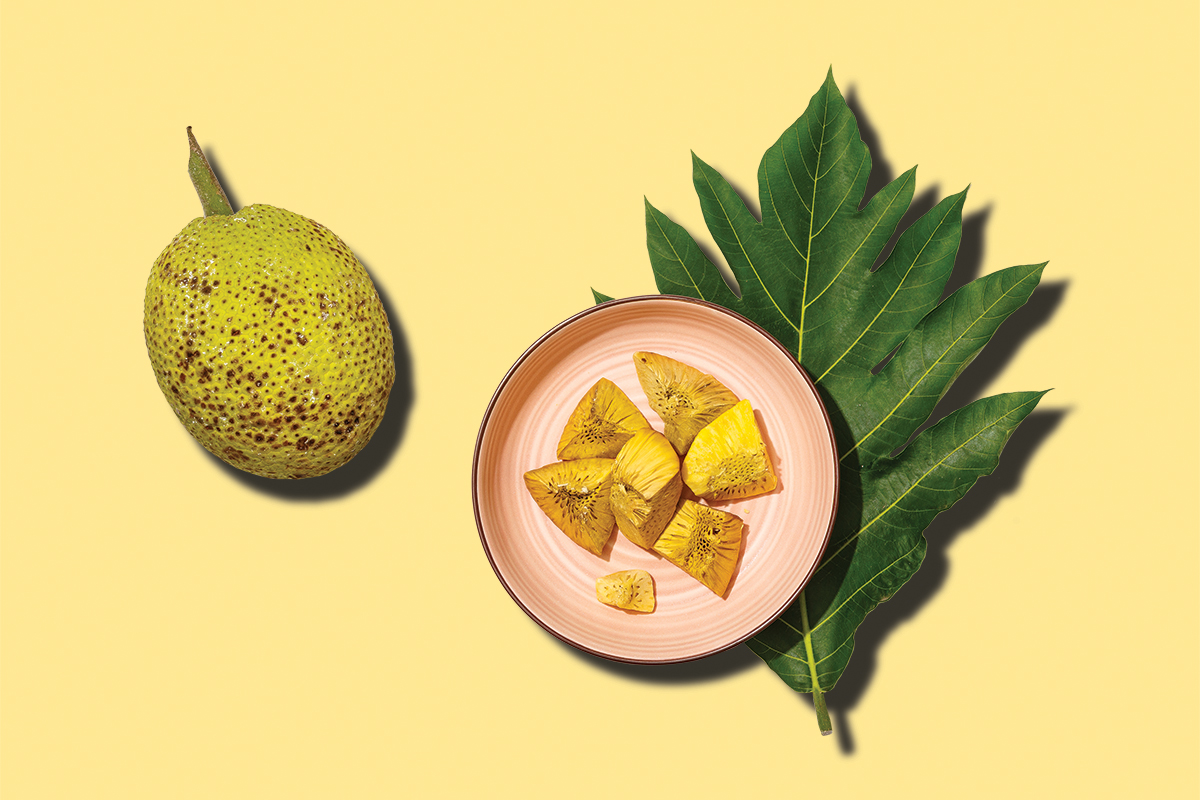
There's a quiet power in the story of 'Ulu, the man who gave his life so his son and village could eat. It's not just a legend about a fruit; it's a lesson about what it means to nourish a community with intention. The breadfruit tree that rose from his sacrifice didn't just end a famine, it became a promise that one tree, planted with love, could sustain generations. That's the kind of resilience we can all learn from, whether we're tending a backyard plot or simply choosing what to put on our plates.
What strikes us most is how this ancient story still shapes modern menus across the Islands. The same 'ulu that saved a village is now showing up as Hurricane 'Ulu at Magics Beach Grill, as ravioli at The Beach House, and as croutons at Mama's Fish House. On O'ahu, you'll find it buttered at Mud Hen Water or baked into banana bread at 'Ulu & Kalo Bakery. This isn't nostalgia for nostalgia's sake. It's a deliberate return to ingredients that are both culturally grounded and genuinely delicious. The fruit itself is remarkably versatile, cooked firm like a potato when young, or sweet and custard-like when ripe, and a single tree can yield hundreds of pounds each year. That's not just a menu item; that's food security with a story attached.
This revival feels especially relevant when we see chefs across the state embracing local, seasonal ingredients with fresh energy. Just as a new chef at Hanalei Bay is crafting a menu around what grows nearby, the growing presence of 'ulu on restaurant tables connects diners to a deeper sense of place. It's the same spirit that draws us to wellness rooted in volcanic energy on Hawai'i Island, where the land itself feels alive and generative. And it echoes the way communities come together in times of need, like the free concert for Maui's resilience, reminding us that food, culture, and care are never separate. When we eat 'ulu, we're participating in that continuity.
Here's the takeaway: you don't need to wait for a famine to appreciate what 'ulu offers. Plant a tree if you have the space, or simply order the Hurricane 'Ulu next time you're at the beach. The legend tells us one tree can ensure a lifetime of nourishment, and the modern menu proves that nourishment can be exciting, too. The question we're left with is simpler than it seems: what other ancient foods are waiting for their comeback, and are we paying attention before we need them?