•2 min read•from Frontiers in Marine Science | New and Recent Articles
Agency approach to allocation of human capital and program composition for human-marine mammal interaction management in the United States
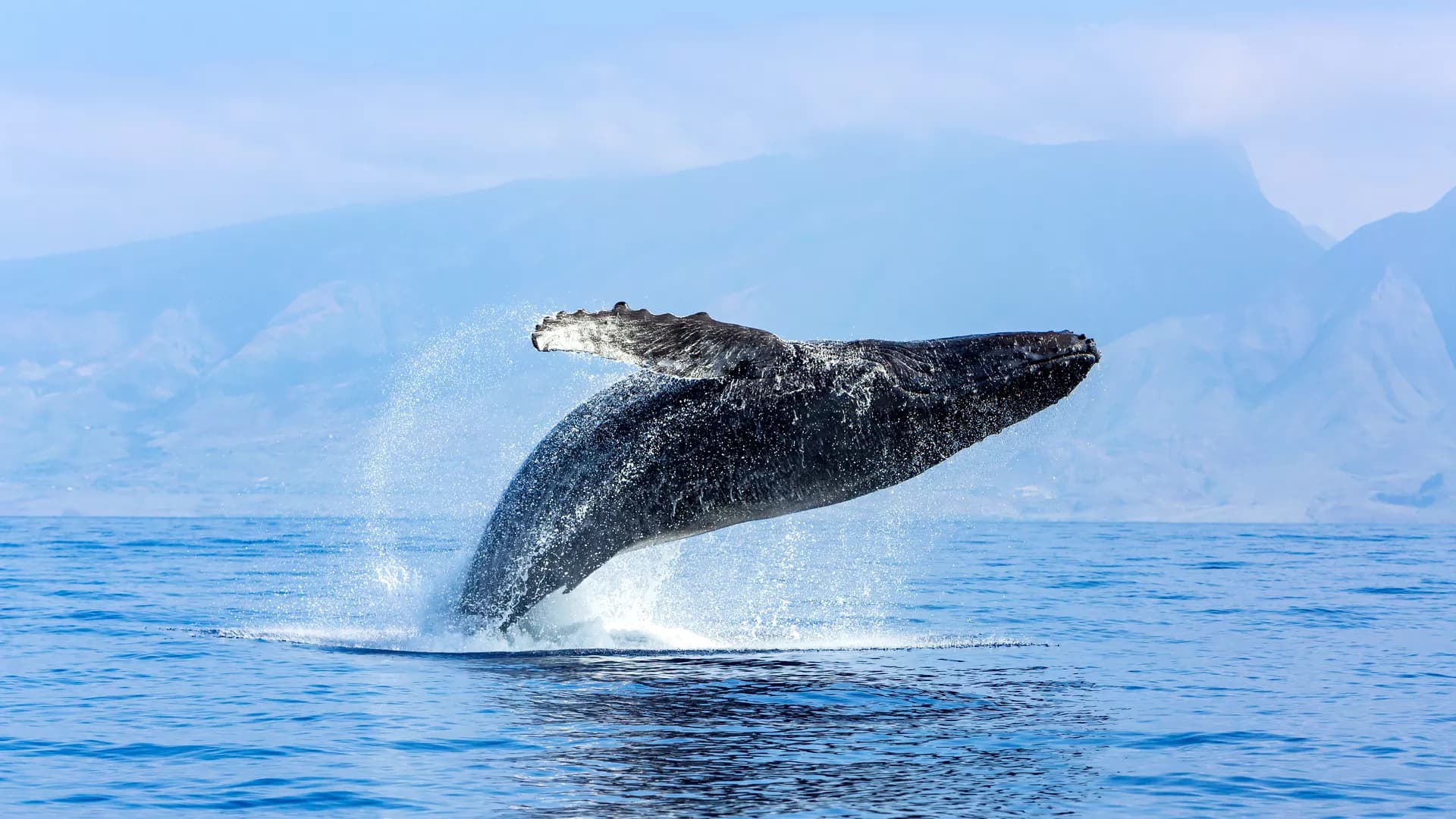
IntroductionMarine mammals have served important and diverse roles throughout human history. Once exploited to near extinction, many species in the United States (U.S.) have recovered dramatically under the Marine Mammal Protection Act (MMPA). The U.S. National Marine Fisheries Service (NMFS) has jurisdiction to administer the MMPA for cetaceans and most pinnipeds. While most take is now prohibited, NMFS still dedicates significant time and resources to protecting and conserving marine mammals. As human populations continue to grow and exploit marine environments, opportunities for human-marine mammal interactions (HMMI) have increased. Resources may fail to keep up with growing needs for conservation investments, so that many agencies struggle to adequately meet social and legal requirements.MethodsThis study evaluated NMFS’ approach to addressing HMMI through a mixed-methods (semi-structured interviews, quantitative questionnaire, and facilitated workshops) expert elicitation analysis of resource allocation (i.e., staff time) and priorities of NMFS Science Center (SC) and Regional Office (RO) staff across five geographic regions to understand how employee time is allocated, the degree to which employee time allocation is aligned with self-reported job descriptions, and employee perceptions of actions or investments which would improve their ability to mitigate HMMI.Results and DiscussionSC staff reported spending more time on Biological and Administrative tasks, while RO staff allocated more time to Policy, Social science, and Outreach tasks. SC employees spent less time on Biological tasks than specified by their perceived job descriptions, suggesting resource constraints. Participants identified Biological research and monitoring as top priorities, followed by Policy tasks. Identified actions included increasing research capacity, enhancing enforcement, expanding social science expertise, and improving outreach programs. The study reveals mismatches between mandated activities and available resources, suggesting strategic reallocation or increased funding may benefit the agency in effectively addressing growing HMMI challenges.
Want to read more?
Check out the full article on the original site
Tagged with
#marine science
#marine biodiversity
#marine life databases
#citizen science
#research collaboration
#research datasets
#climate monitoring
#in-situ monitoring
#human capital
#marine mammals
#human-marine mammal interactions
#Marine Mammal Protection Act
#National Marine Fisheries Service
#resource allocation
#staff time
#cetaceans
#pinnipeds
#conservation investments
#Biological research
#employee perceptions