Just 12 Ships Cross Strait Of Hormuz After US-Iran Ceasefire; Trump Alleges Iran Charging Tolls
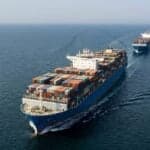


The Strait of Hormuz is still seeing very limited ship movement even after the United States and Iran agreed to a two-week ceasefire.
Data from Kpler shows that only 12 ships have passed through the strait since the ceasefire was announced on April 8. On April 9, four tankers and three bulk carriers crossed the route.
Earlier, five vessels moved on April 8, followed by seven on April 9, showing that traffic remains low and uneven.
This is far below normal levels. In peaceful times, more than 100 ships pass through the strait every day, making it one of the most important routes for global oil and liquefied natural gas (LNG) trade.
Iran agreed to stop hostilities for two weeks and allow ships to pass, but only under coordination with its armed forces. Its statements also made it clear that it will continue to control movement in the strait.
An incident involving the Botswana-flagged LNG tanker Nidi shows how tight that control remains. The vessel was attempting to leave the Persian Gulf through a route reportedly directed by Iran’s Revolutionary Guard, but it suddenly turned back and returned, according to ship-tracking data.
There are also concerns that more ships may have passed without transmitting their location data.
A large number of vessels are still stuck in the region. According to Lloyd’s List Intelligence, more than 600 ships, including 325 tankers, remain stranded in the Gulf due to the disruption.
Analysts say shipowners are still cautious. Kpler’s trade risk analyst Ana Subasic said that even if the ceasefire continues, the number of daily transits may stay limited to around 10 to 15 ships. This estimate does not include the possible impact of any tolls or additional restrictions.
The Strait of Hormuz usually carries about one-fifth of the world’s oil and LNG supplies. Before the conflict escalated in late February, the route handled around 120 to 140 ship movements daily.
US President Donald Trump has criticised Iran’s role in the current situation. He said Iran is not allowing oil to pass through the strait properly and warned that reports of Iran charging ships for passage are unacceptable. He added that such actions must stop if they are taking place.
The White House has also supported reopening the strait but opposed any move by Iran’s military to collect revenue by charging ships.
On the other side, Iran’s Foreign Minister Abbas Araghchi accused the United States of not following the agreement. He said the US must decide whether it wants to maintain the ceasefire or allow tensions to continue, referring to ongoing regional developments.
Maritime analyst C Uday Bhaskar said the situation remains uncertain and tense. He noted that shipowners are worried about safety, especially after alerts about possible mines in the area.
Oil prices had dropped after the ceasefire was announced but have started rising again as it became clear that shipping has not returned to normal. Brent crude was at $96.39 on Friday.
Sultan Ahmed Al Jaber, CEO of ADNOC, said the strait cannot be considered open yet. He stated that access is still restricted and controlled, and ships are allowed through only under certain conditions.
At the same time, stock markets in Asia opened higher on Friday. Japan’s Nikkei 225 rose by 1.8 percent, while South Korea’s KOSPI and Hong Kong’s Hang Seng Index also gained.
Despite the ceasefire, shipping through the Strait of Hormuz remains slow, and the situation continues to affect global trade and energy supply.
References: Hindustan Times, Business Standard
Want to read more?
Check out the full article on the original site