Why Hawaiʻi’s Poke Bowls Are Simply the Best
Our take
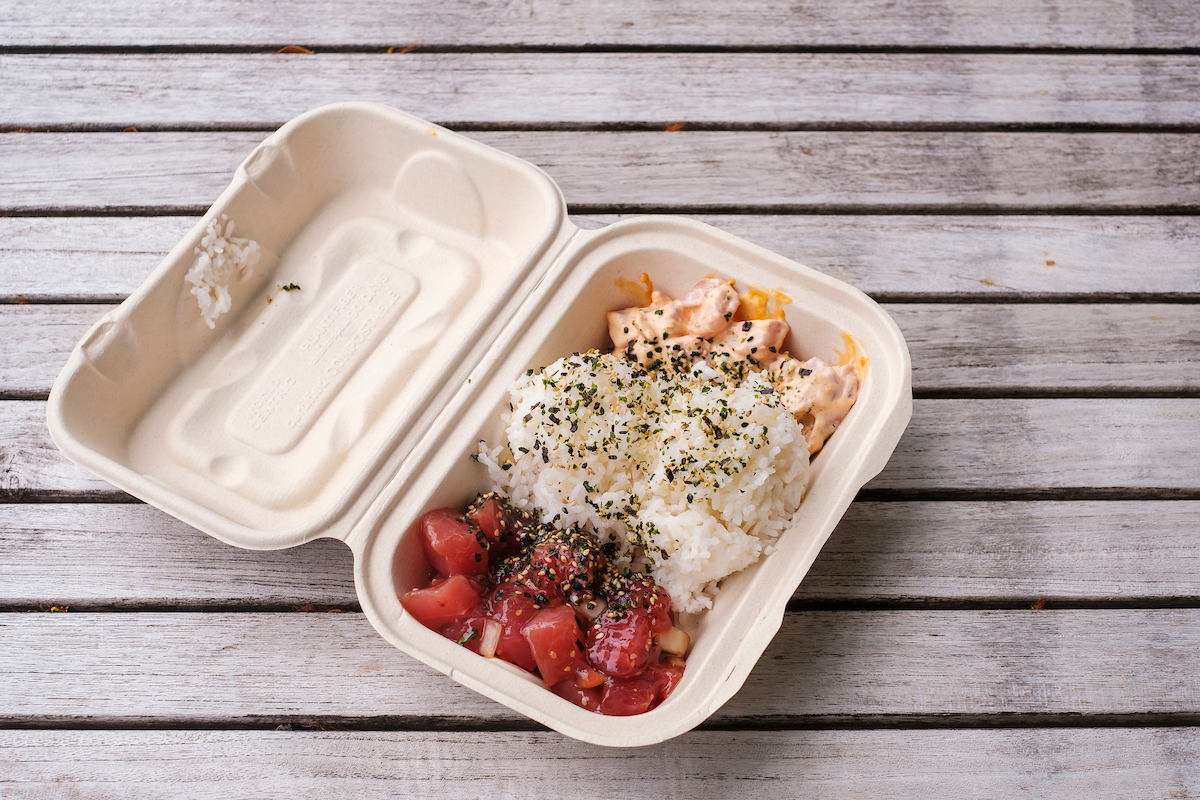
In the vibrant tapestry of Hawaiian cuisine, few dishes embody the spirit of the islands quite like the poke bowl. This simple yet exquisite dish, typically featuring cubed ʻahi atop a bed of rice, captures the essence of fresh, local ingredients and the laid-back island lifestyle. The addition of furikake, a delightful Japanese seasoning made of sesame seeds and seaweed, adds a layer of complexity that elevates this dish from something ordinary to an extraordinary culinary experience. Whether enjoyed on the beach, at your hale, or even in the car for those on-the-go moments, poke bowls represent more than just food; they are a celebration of culture and community. This simplicity and versatility are what make poke bowls a highlight of Hawaiian gastronomy, echoing themes explored in our articles such as What’s in a Hawaiian Plate, Anyway?.
What truly sets poke bowls apart is their authenticity and connection to local culture. As a dish that has evolved from its traditional roots, poke reflects Hawaii's rich history of fishing and food preparation. The emphasis on fresh, high-quality ingredients resonates with those who seek genuine culinary experiences. This is not just about satisfying hunger; it’s about indulging in the flavors of the islands and embracing the stories they tell. As we explore the cultural significance of dishes like poke, we uncover the deeper layers of Hawaiian identity, making it essential for both locals and travelers to appreciate what these flavors represent.
Moreover, the poke bowl's popularity has transcended the islands, inspiring culinary enthusiasts around the globe. This trend speaks to a broader movement towards appreciating local and sustainable food sources, as well as the growing desire for authentic dining experiences. In a world where fast food and mass production dominate, the poke bowl stands as a reminder of the beauty found in simplicity and quality. It invites us to slow down, savor each bite, and truly engage with our meals, a philosophy that aligns beautifully with the values of elevated, authentic experiences that Hanalei Bay Country Club promotes. For those interested in exploring more about the Hawaiian culinary landscape, our piece on What’s in a Hawaiian Plate, Anyway? details the cultural significance of other traditional dishes.
As we embrace the poke bowl and its delightful flavors, we should also consider the broader implications for our travel experiences. When we choose to indulge in local cuisine, we are not only nourishing our bodies but also connecting with the community and culture of the place we are visiting. Each bite of a poke bowl is a step towards understanding the islands' rich heritage and the people who call it home. This interaction fosters a sense of community and mutual respect, highlighting the importance of supporting local businesses and artisans who keep these traditions alive.
Looking forward, it will be fascinating to see how the poke bowl continues to evolve both in Hawaii and beyond. Will new interpretations emerge that blend traditional recipes with modern culinary techniques? As travelers and food lovers, we should remain curious and open to discovering these innovative takes while honoring the authenticity that makes the poke bowl a beloved staple. So, the next time you indulge in this iconic dish, take a moment to appreciate not just the flavors but the story that each bowl tells—one of adventure, culture, and a deep-rooted connection to the beautiful islands of Hawaii.
There’s beauty in the simplicity of the poke bowl.
Rice—white or brown—is topped with cubed ʻahi, tako or other bite-sized chunks of seafood. (But most of the time, it’s ʻahi). Often the rice is layered with a thin sprinkle of furikake, a Japanese seasoning made of sesame seed and seaweed. And voila, the poke bowl!
It can be eaten on the beach, at your hale (home) or even in your car if you just can’t wait.
The dish was born in the Islands, a product of our culinary mixing pot. Ancient Hawaiians feasted on freshly caught fish—which was sliced or diced into cubed pieces, the definition of the word poke in ʻōlelo Hawaiʻi (Hawaiian language)—mixed with seaweed, crushed ʻinamona and kukui nut for centuries before Western contact. And as emigrants from China and Japan began calling the Islands home, the variety of poke began to expand and evolve.
READ MORE: From Shave Ice to Saimin, These Are 24 Must-Eat Dishes in Hawaiʻi
The local favorite has found plenty of homes abroad, from London to San Francisco, but you might not recognize it. Away from Hawai‘i, it takes on a new, unfamiliar look, paired with unusual additions like quinoa, chicken, zucchini noodles, cauliflower, corn and more.
While we can’t stop other cultures and locales from putting their own spin on the poke bowl, there’s really nothing like ordering one here in the Islands. The rice is cooked just right, the portions are perfect and the fish is so, so fresh. While many locals say Foodland and Tamura’s have the best bowls for your buck, others swear by the poke at smaller outlets, such as Kahuku Superette on Oʻahu or Ishihara Market on Kauaʻi (which closed in 2023 after nearly 90 years).
But whether you get yours at Tamura’s or Foodland, or you like the shoyu ʻahi better than the oyster sauce ʻahi, the simple bowl of rice and cubed fish is a big part of Hawaiʻi’s local culture. Just please don’t put corn on it.
This story was originally published in our 2022 Spring issue. Buy a copy here. Better yet, subscribe and get HAWAIʻI Magazine delivered to right to your mailbox.
Kevin Allen was a longtime writer and is a former editor of HAWAIʻI Magazine.
Read on the original site
Open the publisher's page for the full experience