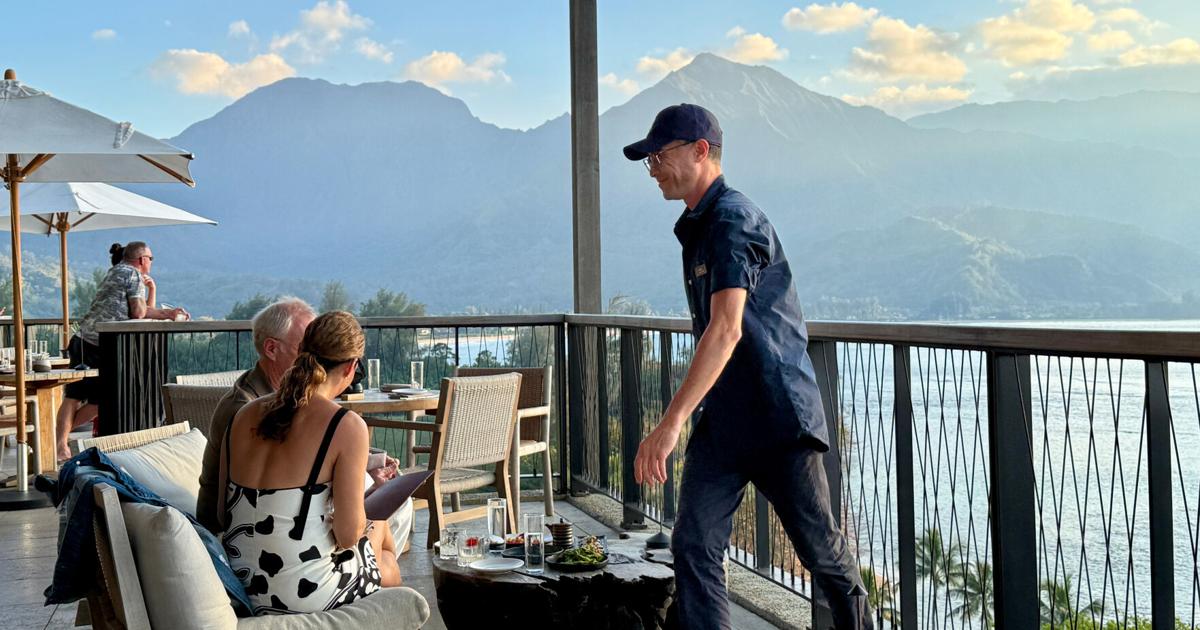
We see a paradise caught in a trap of its own success, and it's a story that should matter to anyone who has ever dreamed of owning a piece of Kaua'i. The feud in Princeville isn't just a spat between wealthy neighbors and a global investment firm; it's a raw, public unraveling of what happens when the promise of luxury living meets the hard realities of land use, corporate power, and a buried history that nobody wants to talk about. This is a community where Where Paradise Meets Progress: Princeville's Views Clash With Luxury Plans has become a daily battle, and the stakes go far beyond the manicured fairways of a golf course.
The core of the conflict is a 55-year non-development agreement that expired in February, but a July 2025 court ruling said it automatically renews in five-year increments unless 75% of owners vote otherwise. Starwood Capital Group, the $115 billion firm behind the uber-luxe 1 Hotel Hanalei Bay, is appealing that ruling, pushing to build luxury homes on the Woods Course it closed in 2021. But the fight has taken a darker turn with the revelation that the course sits on a burial site for hundreds of cattle killed in anthrax outbreaks over a century ago. Residents Lorraine Mull and Fran White won a lawsuit arguing that disturbing the soil could release dangerous spores, a claim Starwood has dismissed as "self-serving fear mongering." Now, a new proposed class-action suit from Shen and Emma Beard Schulz alleges Starwood used its voting power to stack the community association board with sympathetic members, a move they say was designed to push development through. The couple also claims they were never told about the anthrax risk when they bought their $1.9 million home, a disclosure that was supposedly required since 1975.
For the traveler who comes to the North Shore for its laid-back rhythm and raw beauty, this is a reminder that the island's most curated resorts sit on complicated ground. The community association board meetings have become so volatile that a key staff member quit. Neighbors are posting AI-generated caricatures on Nextdoor that some call harassment, and one resident called the police over a comment that read, "Ace is a place where Starwood sycophants go to die." This is not the tranquil, open-space sanctuary that Princeville's original incorporation papers promised. As Bernard Markowicz, a civil engineer and local resident, put it: "What happens here has a repercussion on the economy of the whole island." He's right. Princeville is the economic engine for the North Shore, and if the community association is paralyzed by legal bills and infighting, the ripple effects hit every hotel, every vacation rental, and every local business that depends on tourism. Meanwhile, Starwood is also pursuing a separate resort expansion on a coastal bluff, adding another layer to a Gordian knot that shows no signs of loosening.
The takeaway is direct: if you are considering a property in a destination like Princeville, you need to look beyond the view and the clubhouse. The covenants, conditions, and restrictions that govern these communities are not just paperwork, they are the battleground where the future of your investment is decided. The Schulzes' lawsuit against their title insurance company for failing to disclose the anthrax site is a warning that even the most polished transaction can hide a century-old secret. As the courts wrestle with overlapping appeals and class-action claims, the real question is whether any of this can be resolved without tearing apart the very community that makes Princeville desirable. Watch the next board election closely, it may determine whether the economic engine keeps running or stalls in a cloud of litigation and mistrust.