The Rudest Things You Can Do At The Beach
Our take
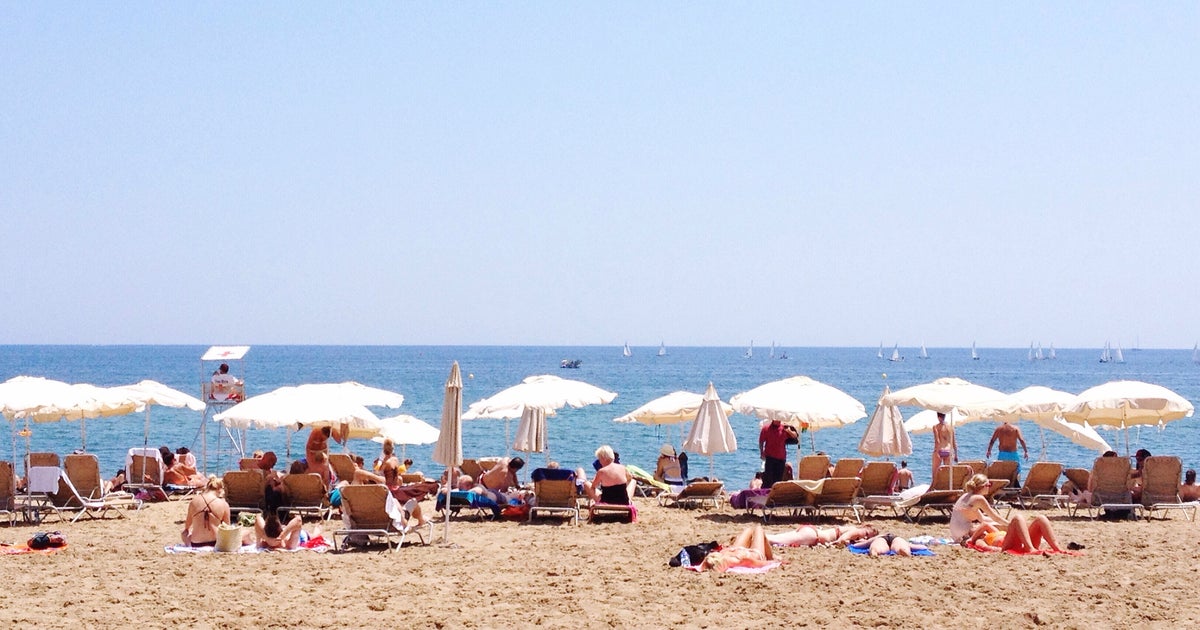
The recent article highlighting beach etiquette faux pas might seem trivial, but it touches upon something deeply resonant with the Hanalei Bay ethos: respecting the spaces and cultures we inhabit while seeking adventure and indulgence. While we champion the thrill of exploring new landscapes and immersing ourselves in authentic experiences, we also believe in doing so with mindful consideration for the environment and the local community. The list of "rudest things" – from sprawling towels across prime real estate to blasting music that disrupts the tranquility – underscores a growing tension between the desire for personal enjoyment and the collective responsibility of preserving the beauty and harmony of shared spaces. It's a reminder that luxury doesn’t exist in a vacuum; it's enhanced, not diminished, by a genuine appreciation for the places that offer it. We’ve seen similar concerns raised in discussions about responsible travel, like those explored in [How to Avoid a Bad Waikiki Vacation | WAIKIKI TRAVEL TIPS], where navigating crowded spaces and respecting local customs are key to a fulfilling experience.
The core issue isn't about policing leisure; it’s about fostering a culture of respect. The article’s emphasis on things like returning beach toys and avoiding excessive noise highlights a broader need for conscious consumption and behavior. This is particularly relevant in places like Hanalei, where the natural beauty and unique cultural heritage are integral to the appeal. Imagine arriving expecting a secluded paradise only to find it marred by inconsiderate behavior – it diminishes the experience for everyone. It's a delicate balance, and one that resorts and travel destinations must actively address. We witnessed a similar conversation unfold regarding cultural preservation in a recent piece about the potential demolition of the Chinatown cultural plaza [Chinatown cultural plaza scheduled for demolition], a poignant reminder of how easily cherished spaces can be lost if not valued and protected. Maintaining a balance between progress and respecting heritage is a constant challenge.
The rise of social media and the constant documentation of travel experiences have arguably exacerbated this tension. The desire for the “perfect Instagram shot” can sometimes overshadow the importance of being present and respectful. It encourages a performative approach to travel where experiences are valued more for their visual appeal than for the genuine connection to the place and its people. This isn't to say we discourage sharing experiences – quite the opposite! – but we encourage doing so with a sense of responsibility and awareness. Promoting destinations like Byron Bay, as seen in [AUSTRALIA VLOG 5 | weekend in Byron Bay], requires acknowledging the impact tourism has on these communities and advocating for sustainable practices that ensure their longevity. Sharing your journey should inspire others to seek adventure while also encouraging mindful stewardship of the planet.
Ultimately, the "rudest things you can do at the beach" article serves as a gentle nudge towards a more thoughtful and considerate approach to travel. It's a call to remember that we are guests in these places, and with that privilege comes a responsibility to leave them as beautiful, or even better, than we found them. As travel continues to evolve, and as more people seek authentic and elevated experiences, the conversation around responsible tourism will only become more critical. The question isn't just *where* we go, but *how* we go – and whether our pursuit of adventure enhances or detracts from the very essence of the places we explore. What steps can resorts and travelers alike take to ensure that the pursuit of paradise doesn't inadvertently destroy it?
Read on the original site
Open the publisher's page for the full experience