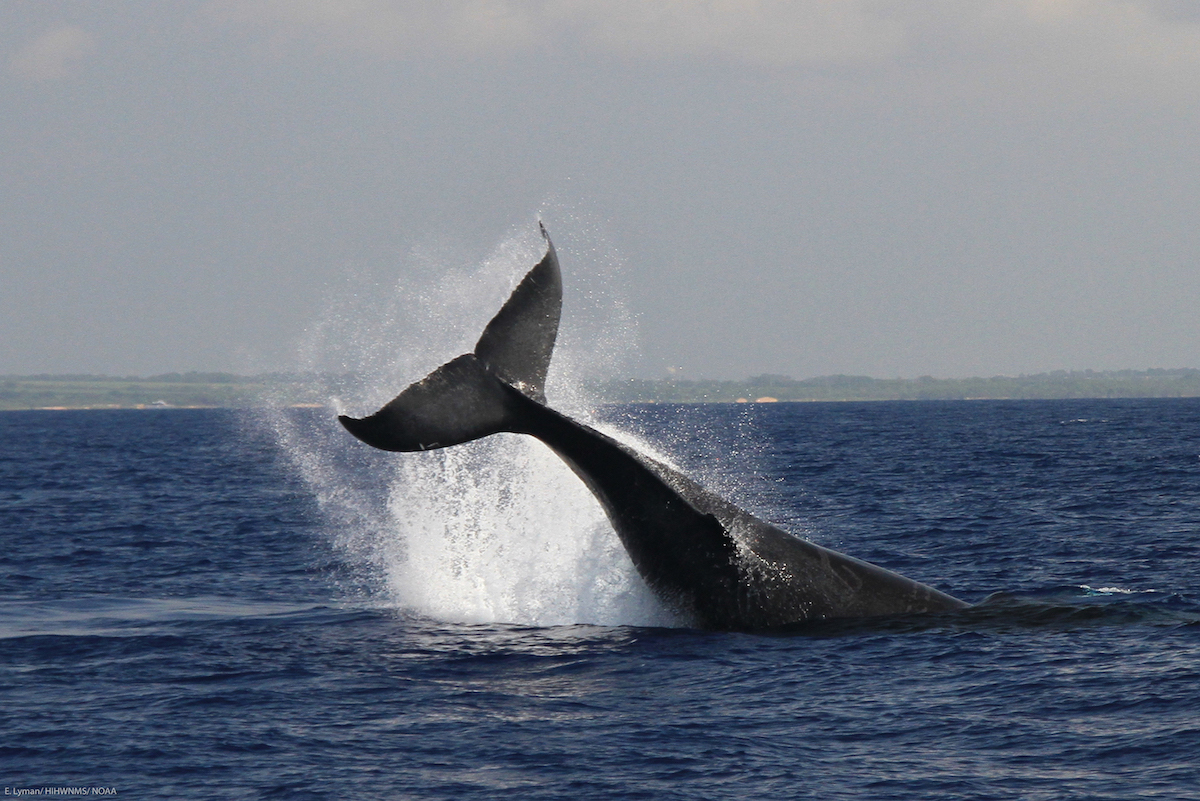
Every winter, Hawaiʻi's shores become the stage for one of nature's most humbling migrations, and we think that's worth planning your entire trip around. Between 8,000 and 12,000 North Pacific humpback whales, or koholā, arrive from November through May, trading Alaska's cold for our warm, shallow waters to breed, birth, and nurse their young. This isn't just a wildlife sighting; it's a seasonal invitation to witness something profound, and it aligns perfectly with the elevated island lifestyle we champion, one that pairs luxury with authentic, grounded experiences. For travelers who value both adventure and cultural depth, this is the kind of moment that defines a journey, not just a vacation. And if you're weighing where to stay, consider how this natural spectacle connects to the broader conversation about Hawaiʻi's future, from the lines drawn between fairways and high-rises on Kauaʻi to the new chapter unfolding in Hanalei. These whales remind us that the true luxury here is preservation.
The practical takeaway is simple: go during peak season, January through March, when the crowds thin and the whales are thick. Maui remains the best island for viewing, with shore spots in Māʻalaea, Kāʻanapali, Kīhei, and Wailea, bring binoculars, or book a tour with the Pacific Whale Foundation, where certified marine naturalists lead Eco-Adventures and profits fund research and conservation. But don't overlook Oʻahu. The Makapuʻu Lighthouse trail offers a stunning vantage point, and the overlook fronting Lēʻahi gives you a view without the hike. Timing matters: mornings are calmer, afternoons windier, so head out early for the mālie conditions that make spotting spouts easier. And pack smart, rain protection, sunscreen, a hat that stays put, and a waterproof pouch for your phone.
What strikes us most is the cultural weight of these giants. Koholā are not just a tourist attraction; they are an endangered species that was hunted to roughly 10% of its original numbers before a 1966 moratorium. The Hawaiian Islands Humpback Whale National Marine Sanctuary, designated in 1992, protects the only place in the U.S. where these whales mate, calve, and nurse their young. That makes every sighting a privilege, not an entitlement. We'd argue this is where the luxury of Hawaiʻi truly lies, not in gated communities or curated stay-and-play packages, but in the ability to witness a living, breathing ecosystem that has survived against the odds. For those seeking a curated stay-and-play experience at Hanalei Bay, the whales offer a counterpoint: the most elevated experience on the islands costs nothing but your attention.
Respect the rules, stay 100 yards away, never swim with or touch marine mammals, and let the experience teach you something. The biggest threats to koholā are ship strikes, fishing gear entanglement, and illegal hunting, so your choices as a visitor matter. Book with operators who prioritize conservation, choose shore viewing when you can, and treat every spout, tail slap, and breach as a quiet reminder that this place is alive. The question we're left with is not whether you'll see a whale, but whether you'll leave Hawaiʻi understanding that its true wealth is measured in what we choose to protect. That's a standard worth holding onto, long after the season ends.