Public Urged to Avoid Unnecessary Travel to Storm-Affected Areas in Waialua and Haleʻiwa on Oʻahu
Our take
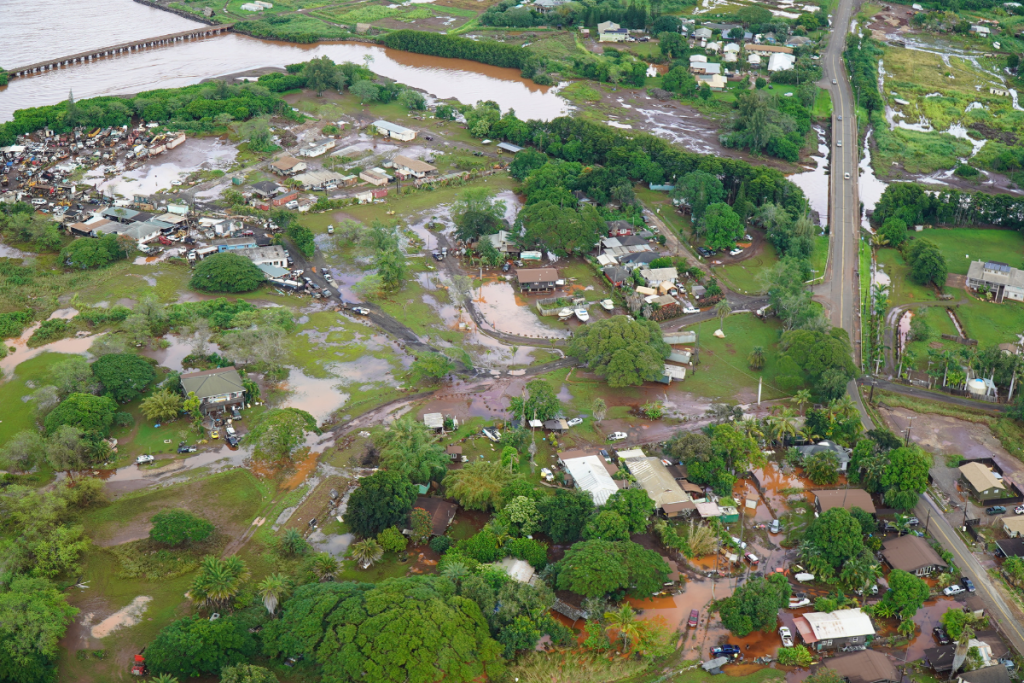
The recent catastrophic flooding that struck Oʻahu’s North Shore, particularly affecting Waialua and Haleʻiwa, is a stark reminder of the natural challenges that our islands face. As the City and County of Honolulu urge the public to refrain from unnecessary travel to these impacted areas, it’s crucial to understand the implications of such disasters—not just for the immediate community but for all of us who cherish the beauty and culture of Hawaiʻi. The call to limit travel is not merely a logistical concern; it speaks volumes about the values of community, safety, and stewardship that we hold dear.
The flooding has transformed these once-vibrant areas into work zones, where emergency responders and recovery teams are tirelessly laboring to restore normalcy. This situation echoes themes from our previous discussions, such as the need for preparedness in the face of unexpected challenges—whether it’s a natural disaster or even a whimsical scenario like a Zombie Apocalypse. The influx of curious onlookers can severely hinder their efforts, creating unnecessary hazards and traffic congestion. As much as we may want to witness the aftermath and lend our support, the reality is that our presence could complicate recovery operations and delay vital assistance to those in need.
This situation also highlights the importance of being culturally and environmentally aware. When we travel, we have a responsibility to respect the communities we visit, especially during their times of struggle. Observing damage out of curiosity may inadvertently contribute to further challenges. Our collective consciousness as travelers should lean toward empathy and support. Instead of flocking to these areas, we can explore ways to contribute positively, whether through donations, volunteering, or supporting local businesses that remain operational. The sentiment expressed in our recent piece about the federal charges against a man for throwing a rock at a monk seal on Maui serves as a reminder that our actions have consequences, and we must be stewards of our environment.
As we navigate through these challenging times, it’s essential to embrace our adventurous spirit while remaining grounded in our values. Authentic exploration means being present in a way that respects the local culture and supports the community. With the North Shore’s stunning landscapes and rich heritage, it’s easy to see why so many are drawn to the area, but now is the time for pause and reflection. The island lifestyle we cherish is intertwined with the well-being of its communities, and we must prioritize their recovery over our desire for adventure.
Looking ahead, we must ask ourselves: How can we better support our local communities during times of crisis? As Oʻahu works to recover from this disaster, it presents an opportunity for all of us to reflect on our roles as both tourists and stewards of the land. By fostering a deeper understanding of our impact, we can ensure that when we do return to explore and indulge in the vibrant culture and experiences that Hawaiʻi offers, we do so with a sense of responsibility and respect for those who call it home.
After catastrophic flooding to Oʻahu’s North Shore over the weekend, the City and County of Honolulu is urging the public not to travel to storm-affected areas in Waialua and Haleʻiwa except for residents, authorized workers, emergency personnel or people involved in recovery efforts.
These areas are work zones. Individuals traveling to impacted areas to observe damage can create more dangerous conditions and slow emergency and cleanup operations. Unnecessary travel causes traffic congestion and safety hazards for emergency responders, repair crews and utility workers trying to restore services and stabilize impacted communities.
The Honolulu Police Department (HPD) is asking drivers to avoid Kaukonahua Road and the Otake Camp area in Waialua for the week of March 23 as storm cleanup operations continue. HPD offers are deployed in the area to provide traffic control and security in support of recovery efforts.
“We understand that visitors to the island are concerned and want to see what happened, but these areas are still hazardous and remain active work zones,” Honolulu Police Department Interim Chief Rade K. Vanic said in a news statement. “Additional traffic makes it harder for emergency crews to do their jobs and puts both workers and the public at risk. We are asking the public to pelase stay away unless you live or work in the area or involved in active recovery efforts.”
Mayor Rick Blangiardi also urged the public to avoid impacted areas. He said, “Our emergency crews and city teams are working around the clock to respond and recover from this storm. The public can help by staying out of impacted areas and allowing crews to do their jobs safely and without additional congestion or delays.”
Read on the original site
Open the publisher's page for the full experience