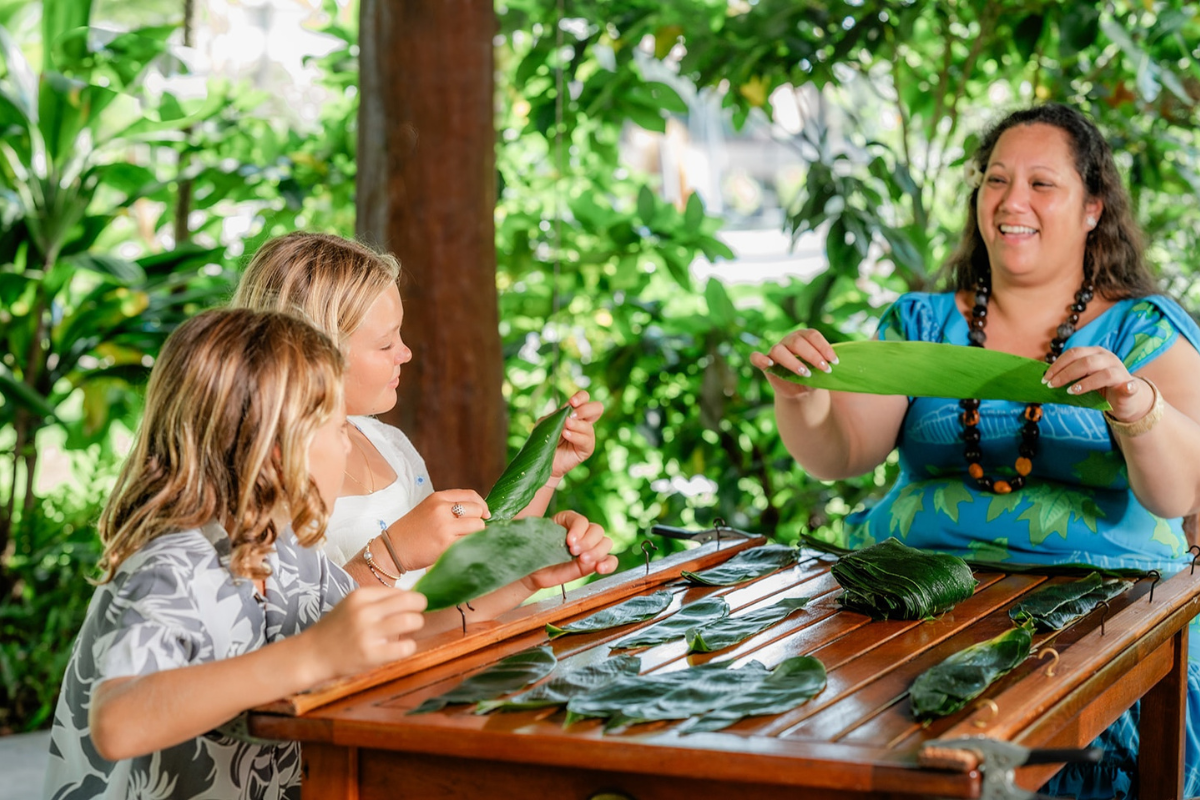
The most powerful travel experiences don't just show you a place, they let you feel its heartbeat. The sunrise outrigger canoe paddle at Mauna Lani, where guests keep rhythm with a traditional *oli* as the sun crests the Big Island, is a masterclass in this shift from passive tourism to genuine cultural engagement. This isn't a performance staged for visitors; it's a living tradition, one that was nearly erased when Native Hawaiians were forbidden to speak ʻōlelo Hawaiʻi. For travelers who crave authenticity, this represents a profound change in how luxury resorts approach hospitality. Contrast this with the scale of A $300 Million Reinvention Breathes New Life into a Beloved Hawaii Resort, where the investment is physical and monumental. The real luxury now, however, is the quiet, intentional work happening at properties like the Waikīkī Beach Marriott, where guests learn the lineage of Hawaiʻi's royal family in a room designed like a museum, or weave lau hala in the Queen's Parlor.
This isn't a footnote to a beach vacation; it's a recalibration of what it means to be a guest. The Native Hawaiian Hospitality Association's Lamakū Hoʻokipa program is directly responsible for training hotel professionals to offer these deeply contextual experiences, from net-throwing to star navigation. For our readers, adventurous, culturally curious, and allergic to generic itineraries, the practical takeaway is clear: the quality of your stay is now tied to the depth of the cultural program. You can find storied elegance in places like Discover storied elegance in the world's finest historic mansion hotels, but the most resonant luxury here is the privilege of being invited into a story that predates the resort itself. At Four Seasons Resort Lānaʻi, that means a sunrise hike to Puʻupehe Rock to hear the legends of the outcropping. At Outrigger Kāʻanapali Beach Resort, it means returning a *lei kukui* year after year, adding a white nut to a tangible record of your connection to the ʻohana.
We believe this movement is the antidote to the tired, transactional tropes that have defined Hawaiian tourism for too long. The pandemic forced a necessary pause, and the industry emerged with a more thoughtful blueprint. The question that lingers, and one we'll be watching closely, is whether this commitment endures when hotel occupancy rates climb back to record highs. Will the cultural ambassadors remain the centerpiece, or will they be the first line item cut? For now, the evidence is encouraging: Mauna Lani's Danny Akaka Jr. still holds monthly jam sessions at the Eva Parker Woods Cottage, keeping the sound of slack-key guitar and moʻolelo alive under the stars. That's a detail worth booking a room for.