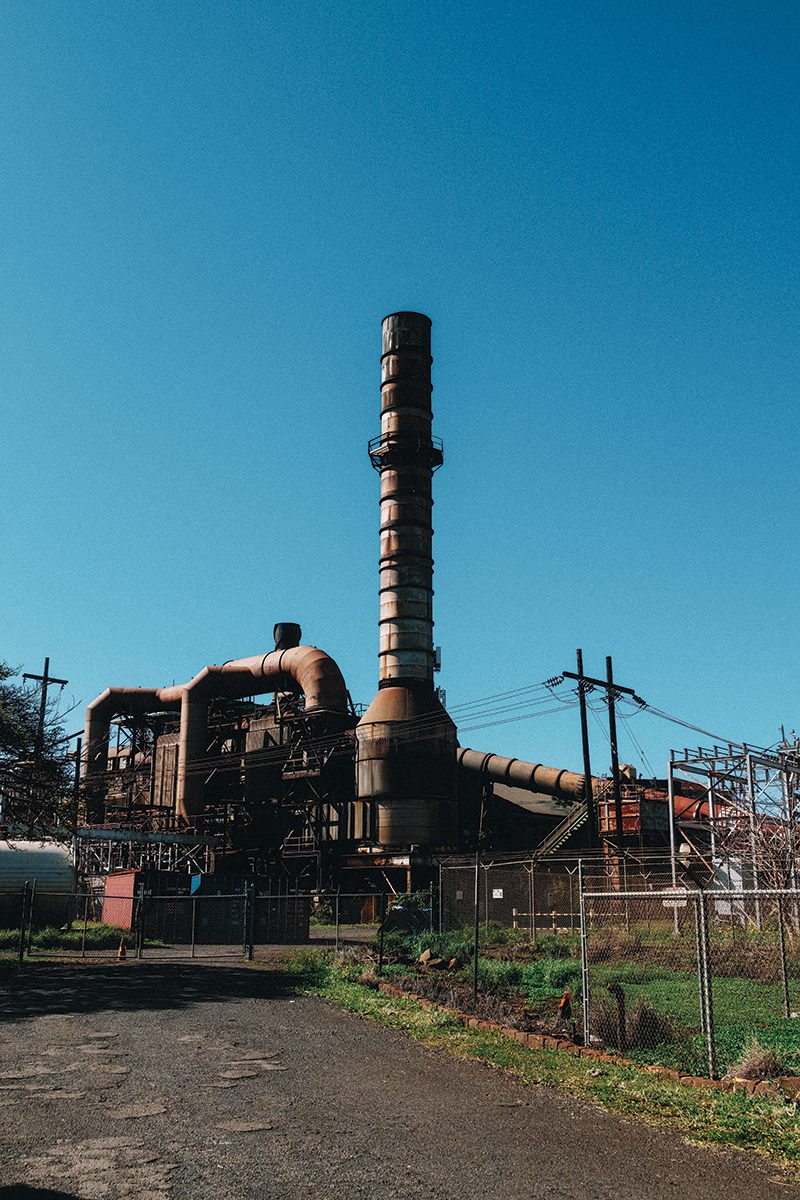
Some landscapes don't wait for us to catch up. They settle into our bones before we think to ask what they mean. That's the quiet power of "Maui Roots: A Childhood Shaped by Island Winds and Smoke." The writer remembers a time when the gray clouds from Pu'unēnē Mill weren't a symbol of industry or a sign of change. They were just the sky. Just the air. Just the rhythm of a childhood on Maui that didn't know it was watching an era wind down. Reading it, we're reminded that the places we grow up in don't announce their endings. They just become the background of our lives until one day, they're gone.
And that's exactly why this story matters for anyone who loves Hawai'i, whether you've lived here your whole life or you're just passing through with a camera and a rental car. The end of the sugar era wasn't just an economic shift. It was the closing of a chapter in how the island breathes. The trade winds still blow. The Kona winds still come. But the smoke that once told our fathers which way the wind was moving is gone. For visitors, it's easy to see Maui as a postcard of beaches and palm trees. For those of us who pay attention, it's a living history book. And that's why we're glad to see stories like this sitting alongside the practical updates we publish, like the Kauaʻi Recovery Update: What Residents and Visitors Should Know and the nostalgic bites of local life in Discovering Hawaiʻi, One Local Bite at a Time. Together, they paint a fuller picture: Hawai'i is not a static paradise. It's a place that changes, often slowly, sometimes suddenly, and always with deep roots.
Our honest take? Don't just visit Maui. Sit with it. Ask the older folks about the mill. Listen for the stories behind the smoke that used to hang over the cane fields. Because the moment you start treating the island as a backdrop instead of a living community, you miss what makes it extraordinary. This memory is a gift, not because it's sentimental, but because it's grounded. It doesn't romanticize the mill or the smoke. It simply says, this was real, and now it's memory. That's a lesson for travelers and residents alike: the island you see today is not the island that was here yesterday, and it won't be the one that's here tomorrow.
So here's what we'd tell a reader who asks, "What should I take from this?" Pay attention to the small, unglamorous details of local life. The old stores, the mill ruins, the way the wind smells after rain. Those are the threads that hold a place together. And if you're lucky enough to catch a story from someone who remembers the smoke, lean in. Because soon enough, the people who remember will be gone, and all that's left is what we chose to notice while we had the chance. The sugar era is over. But the roots? They're still here, waiting for us to stop looking at the horizon and start looking at the ground.