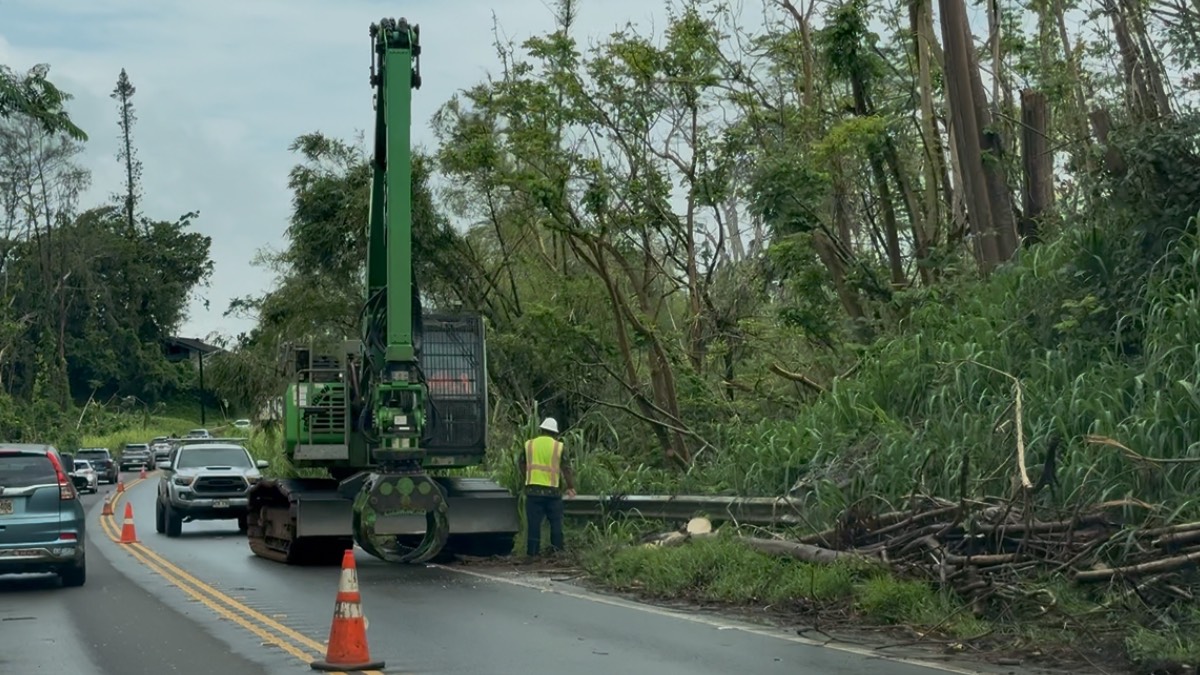
Kaua'i is showing us exactly what resilience looks like, and it's not a passive thing, it's a daily, practical grind of debris pickup schedules and resource center hours. The island's path forward after Hurricane Lowell is less about dramatic gestures and more about the kind of grounded, community-driven recovery that defines this place. For anyone living on or visiting the North Shore, this isn't just news; it's the blueprint for the next few weeks. We've already seen how the community navigates challenges, from the Navigating Kauaʻi's recovery: what the community should know about Hurricane Lowell updates to the spirit of events like the Haena to Hanalei run that celebrate this same coastline. Now, that spirit is channeled into something far more urgent.
What stands out here is the sheer specificity of the recovery effort. This isn't a vague promise to rebuild; it's a list of concrete actions. Debris crews are working from Wainiha through Hāʻena, but only along the right-of-way, and they need piles sorted into appliances, metals, and construction debris. That's a direct instruction for anyone still clearing their property. The Hurricane Resource Centers in Hanalei and Kōloa have set new hours, and the Hanalei Initiative is running an hourly shuttle from The Hanalei Colony Resort to make sure people can actually get there. The message is clear: help is available, but it requires participation. The same goes for food distribution, showing up no earlier than fifteen minutes before the start time to respect local traffic is a small but meaningful act of community consideration.
The deeper story here is about patience and preparation. Power restoration in Kōkeʻe will take weeks, not days, because the work needed there is extensive. That's a hard truth, but it's also a useful one. Knowing that full restoration isn't expected for several weeks lets residents plan, stock up, coordinate with neighbors, and avoid the frustration of waiting for something that isn't coming soon. The Department of Water's conservation notice for ʻAnini is another reminder that recovery has layers. Meanwhile, the County is waiving tipping fees at seven debris sites islandwide, a practical move that removes a financial barrier to cleanup. And for those dealing with insurance or property taxes, the real property division has extended the disaster tax relief filing deadline to June 30, 2027, a long runway that acknowledges how slowly systems can move after a storm.
One specific detail to watch: the North Shore refuse collection is switching to Thursdays only starting the week of Oct. 12, with Tuesday service ending. That's a small change, but for anyone managing debris and household waste simultaneously, it's the kind of logistical shift that can easily be missed. Mark the calendar now. The recovery from Hurricane Lowell is a marathon, not a sprint, and Kaua'i is running it with the same blend of laid-back practicality and determined community spirit that makes this island so special.