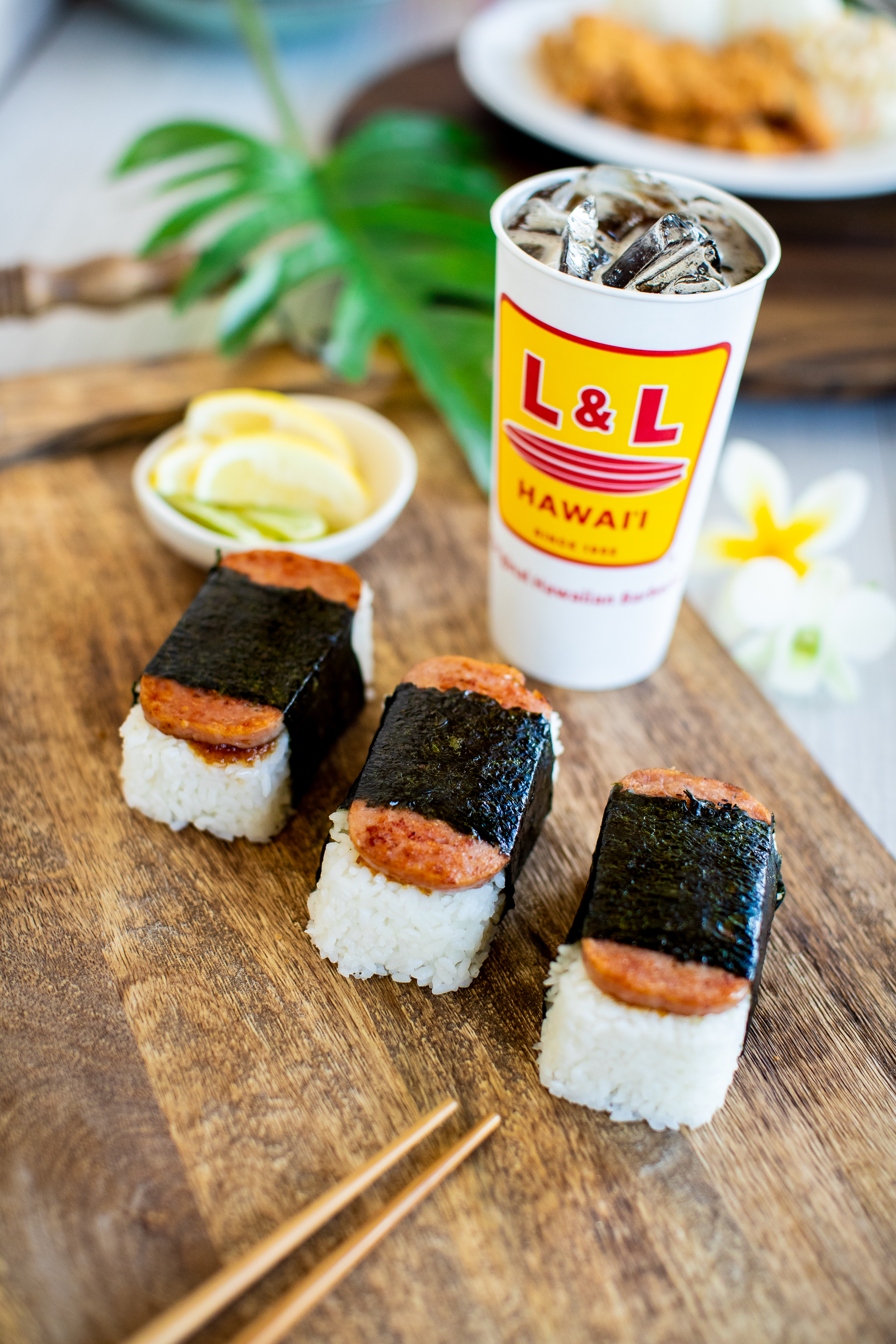
The humble SPAM musubi. It's more than just a snack; it's a cultural touchstone in Hawaiʻi, a symbol of local ingenuity and a testament to the enduring appeal of simple, satisfying food. To the uninitiated, it might seem like an odd combination – salty SPAM layered atop perfectly steamed rice, wrapped in a sheet of nori – but for those raised on the islands, it’s comfort food personified. The recent announcement from L&L Hawaiian Barbecue celebrating the 6th annual National SPAM Musubi Day, and offering free musubi on August 8th, is a perfect illustration of this deeply ingrained cultural phenomenon. It’s a clever marketing move, of course, but it also taps into a genuine affection for this iconic bite. Understanding the significance requires a little background; as we explored in The History of 5 Local Grinds in Hawaiʻi, the musubi's rise reflects a fascinating blend of post-war necessity, Japanese culinary influences, and the resourcefulness of local communities.
The fact that L&L, a major player in the Hawaiian barbecue scene, dedicates an entire day to this snack speaks volumes about its importance. It’s not just about selling food; it’s about celebrating a piece of Hawaiian identity. L&L’s commitment underscores the broader trend of recognizing and honoring local culinary traditions. Consider, too, the ongoing exploration of other beloved Hawaiian dishes like the loco moco, as highlighted in The Best Loco Moco in Hawaiʻi in 2026, demonstrating a growing appreciation for these hearty, comforting meals. Even the natural beauty of Kauaʻi, as showcased in The 5 Best Beaches on Kauaʻi in 2026, contributes to the overall experience; enjoying a musubi while overlooking a stunning coastline simply amplifies the feeling of being immersed in the island's unique spirit.
Beyond the immediate promotion, this annual celebration highlights the power of food to build community. SPAM musubi are frequently shared – at picnics, potlucks, and impromptu gatherings – fostering a sense of connection and shared experience. It's a reminder that some of the most cherished traditions are born from simple ingredients and shared moments. The enduring popularity of the musubi also reflects a broader shift in the culinary landscape, where authenticity and local flavors are increasingly valued over fleeting trends. While upscale dining experiences continue to thrive, there’s a growing appreciation for the honest, unpretentious goodness of dishes like the musubi, which offer a genuine taste of Hawaiian life. This isn’t about rejecting fine dining; it’s about recognizing that true luxury often lies in experiencing the authentic heart of a culture.
Looking ahead, it’s interesting to consider how these local culinary traditions will evolve while retaining their core identity. Will we see innovative takes on the SPAM musubi – perhaps incorporating locally sourced ingredients or experimental flavor combinations? Or will the focus remain on preserving the classic simplicity that has made it so beloved? The continued celebration of National SPAM Musubi Day, alongside efforts to showcase other iconic Hawaiian dishes, suggests that these traditions are not just surviving, but thriving—a testament to the enduring appeal of good food and a strong sense of place. The question becomes, how can we ensure these culinary legacies continue to enrich the island experience for generations to come?