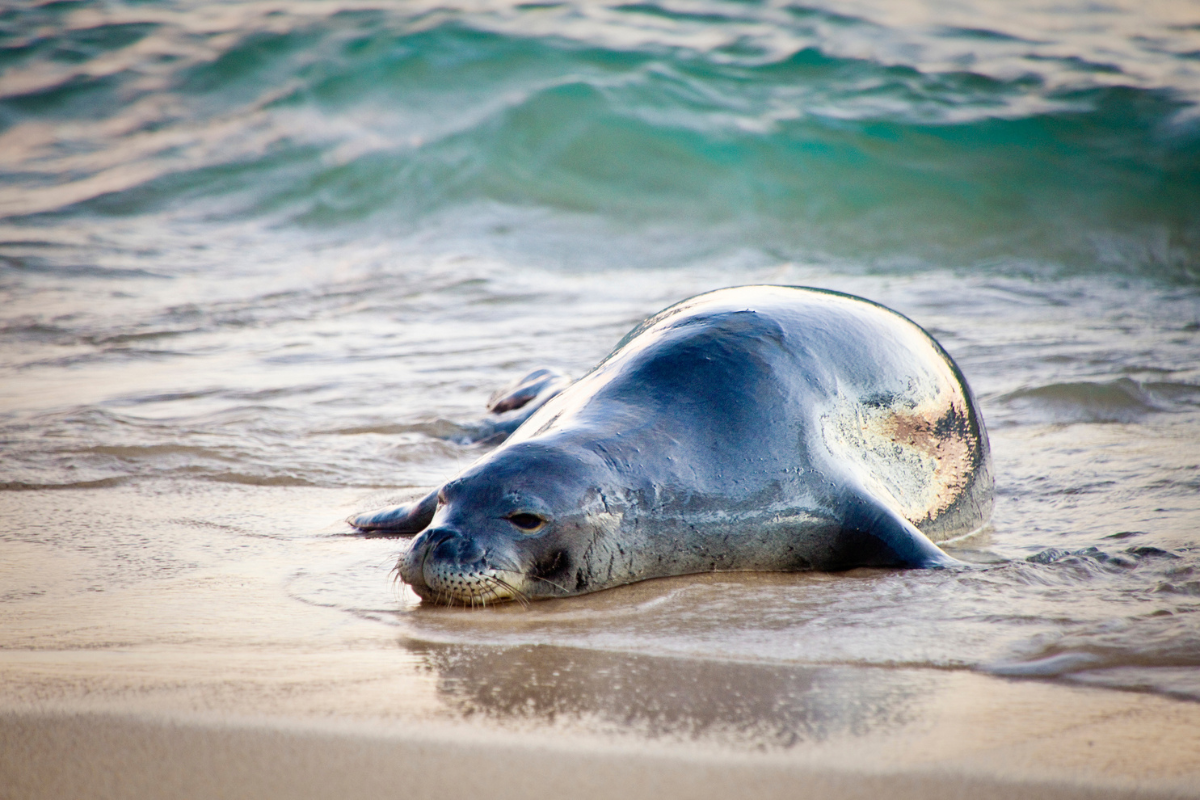
World Ocean Month arrives each June as a reminder that the Pacific’s blue heart beats in rhythm with every island community, and Hawaiʻi’s coral reefs are the living proof of that connection. The observance invites us to explore the ways marine health underpins food security, cultural practice, and the very spirit of aloha that draws travelers to our shores. In that spirit, we see the same reverence for place reflected in stories like The Best National Parks in Hawaiʻi in 2026 and the hands‑on discovery at At This Wahiawā Farm, Everyone Catches Something, where local stewardship meets curious visitors.
Beyond the calendar designation, the month spotlights a growing urgency: rising temperatures, plastic influx, and over‑extraction threaten the reefs that sustain both subsistence fishing and the vibrant tourism economy. For readers who value authentic, elevated experiences, the health of these ecosystems translates directly into the quality of a sunrise paddle, the flavor of a poke bowl sourced from a thriving fishery, and the cultural narratives shared by kumu hula on the beach. Understanding the science behind coral resilience empowers us to choose operators who practice responsible reef etiquette and to support policy efforts that protect marine corridors.
The broader significance lies in the intersection of community, culture, and commerce. When a local nonprofit partners with a luxury resort to fund reef restoration, the result is a curated experience that feels both luxurious and grounded — guests can indulge in a guided snorkel tour knowing their participation funds coral planting. This model mirrors the club’s own philosophy: adventure rooted in stewardship, sophistication that never loses sight of the island’s pulse. As more travelers seek purpose‑driven itineraries, the demand for transparent, locally led conservation will shape the next generation of island hospitality.
Looking ahead, the question worth watching is how quickly collaborative stewardship can scale from pilot projects to island‑wide standards. Will the momentum of World Ocean Month translate into year‑round funding, enforceable marine protected areas, and education programs that reach every schoolchild? The answer will determine whether the vibrant coastal culture we celebrate today remains a living legacy for the