The Hawaiian Islands are more than just postcard sunsets; they are a living, breathing aquarium that invites every visitor to step into a world of vibrant marine life. Whether you're paddling out for a morning surf session, taking a leisurely snorkel along a reef, or simply lounging on a sun‑kissed beach, the ocean's inhabitants are ready to greet you. From the graceful glide of a manta ray to the playful chirps of a dolphin, each encounter offers a moment of connection that feels both intimate and awe‑inspiring. This season, the waters are especially teeming with activity, and the opportunities to witness these creatures in their natural habitat are as abundant as they are unforgettable. For those who crave adventure coupled with cultural reverence, understanding the local ecosystem—and respecting its delicate balance—becomes a vital part of the experience. This is why "Hawaiʻi Marine Life You Might Spot This Summer" is not just a list of creatures; it is a call to action for travelers who want to engage authentically with the island's natural heritage. It also serves as a reminder that our enjoyment of these marine wonders must coexist with their protection. The inclusion of a brief note about keeping a respectful distance underscores a growing shift in tourism toward sustainability and stewardship. When we observe wildlife responsibly, we help preserve the very ecosystems that draw us in. This mindset aligns seamlessly with the ethos of venues like the Hanalei Bay Country Club, where guests are encouraged to explore local culture and nature without compromising the integrity of either. The piece dovetails nicely with the spirit of "Hanalei Canoe Club lu'au helps club's keiki – The Garden Island," where community engagement and cultural education are front and center, reinforcing the idea that luxury and authenticity can coexist harmoniously. Additionally, the emphasis on respectful observation offers practical insights that can be shared with families, echoing the concerns raised in "Oahu - After School Childcare Help!" about how parents can integrate meaningful experiences into their busy schedules. By weaving together these threads, marine wildlife is framed not as a mere backdrop, but as a living, breathing invitation to deepen one's connection with the Hawaiian environment. From a broader perspective, the seasonal surge in marine visibility reflects larger ecological patterns that are becoming increasingly relevant to both locals and visitors. The warming of ocean temperatures, shifts in fish migration routes, and the resilience of coral reefs all play a role in determining when and where marine life appears. These dynamics mean that the "best time" to spot a manta ray or a sea turtle is not static; it is a moving target that depends on currents, weather, and even human activity. For enthusiasts and professionals alike, this underscores the importance of staying informed and adaptable. By consulting up‑to‑date resources, travelers can plan their excursions with greater precision, ensuring that they catch the most spectacular moments without inadvertently disturbing the delicate balance of the ecosystem. Looking ahead, the intersection of tourism, conservation, and community education presents both challenges and opportunities. As interest in marine wildlife continues to grow, so too does the pressure on fragile habitats. This calls for innovative approaches to sustainable tourism, such as guided eco‑snorkeling tours that educate participants about reef ecology while minimizing human impact. It also invites partnerships between local businesses, conservation groups, and educational institutions to create programs that benefit both visitors and the environment. For instance, a collaboration between a luxury resort and a marine research institute could offer guests exclusive, low‑impact viewing experiences while contributing data to ongoing scientific studies. Such initiatives would not only enhance the guest experience but also reinforce the message that luxury can be a vehicle for positive change. In closing, "Hawaiʻi Marine Life You Might Spot This Summer" invites us to pause, observe, and respect the vibrant marine tapestry that surrounds the Hawaiian Islands. It reminds us that every splash, glide, and ripple carries a story—one that connects us to the planet's broader ecological narrative.
snorkeling spots Kauai
Discover Hawaiʻi's Marine Wonders: A Summer Guide to Island Life
Immerse yourself in the magic of Hawaiʻi this summer and discover the breathtaking marine wonders that surround our islands.
4 min readHAWAIʻI Magazine
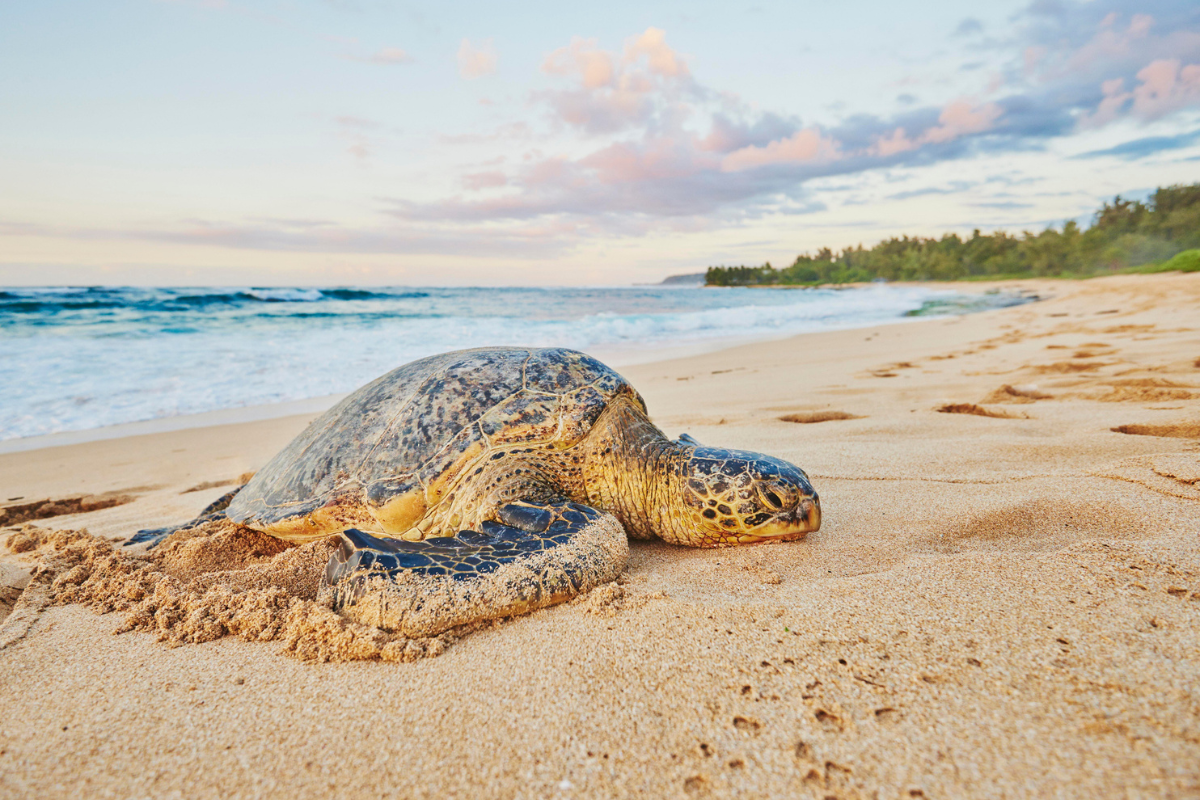
The waters surrounding the Hawaiian Islands are home to an incredible array of marine life, from vibrant schools of fish to playful dolphins and magnificent manta rays. Whether you’re snorkeling, surfing or relaxing on the beach, you may encounter some of Hawaiʻi’s marine wildlife. For their protection and your safety, always observe wildlife respectfully and keep your distance
The Hawaiian green sea turtle, or honu, is one of the most commonly spotted marine animals in Hawaiʻi. These beloved and gentle creatures can grow up to 4 feet long and weigh more than 300 pounds.