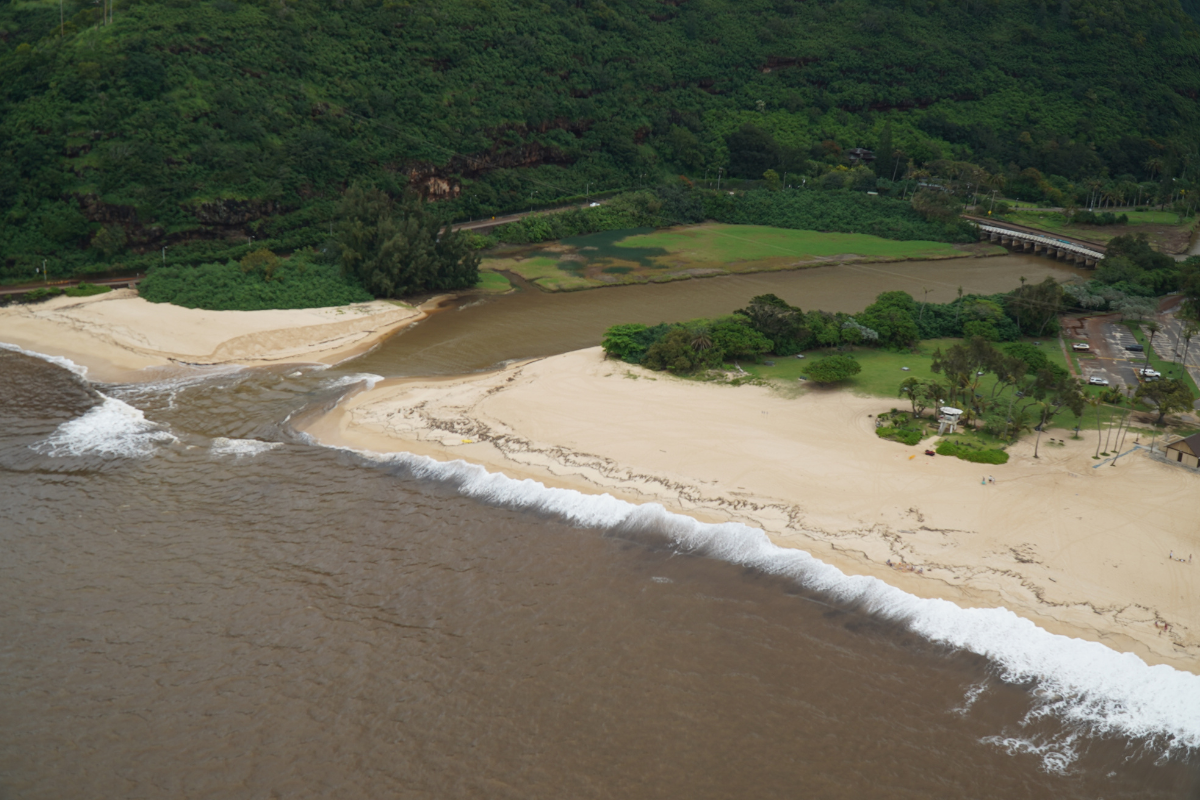
As the vibrant spirit of Oʻahu faces challenges in the wake of recent rains from the Kona Low storm, the Honolulu Ocean Safety Department has taken a proactive stance by urging both residents and visitors to stay out of the ocean. With the Hawaiʻi State Department of Health (DOH) issuing a brown water advisory, the message is clear: safety must take precedence over the allure of our beloved shores. This situation not only highlights the importance of ocean safety but also raises critical questions about our relationship with the environment and the community at large.
The brown water advisory serves as a crucial reminder of the potential hazards that can arise following heavy rainfall. As we’ve seen in previous circumstances—such as in the article titled Bro there are literally 9 sewage spills on Oahu right now and people are still swimming—the aftermath of storms can lead to significant water contamination. The DOH recommends avoiding ocean water for at least 72 hours after the last rainfall, emphasizing a cautious approach as we navigate our coastal playground. The risk of bacteria and other pollutants entering our waters is not merely a health concern; it speaks to the broader implications of how we manage our natural resources and the delicate balance between human activity and environmental preservation.
In urging caution, the Honolulu Ocean Safety Department is not only protecting public health but also fostering a culture of responsibility among beachgoers. While many may feel tempted to plunge into the inviting waters, especially during a season characterized by warmth and adventure, it is crucial to heed these warnings. The call to stay out of the ocean is a collective reminder that we are part of a vibrant ecosystem that deserves respect and care. This advisory is an opportunity for residents and visitors alike to engage in a deeper dialogue about environmental stewardship and the impact of our actions on local waters. It is essential to recognize that the ocean is a shared resource, and its safety is a communal responsibility.
As we reflect on the current situation, it is worth considering the long-term effects of climate change and urban runoff on our coastal environments. The intersection of heavy rainfall and runoff poses a persistent threat to water quality, making it imperative for communities to advocate for sustainable practices and infrastructure improvements. Looking ahead, how will we respond to these challenges? Will we prioritize investment in our natural resources and implement more robust waste management systems to mitigate the effects of heavy rains?
In closing, the recent advisory from the Honolulu Ocean Safety Department serves as a vital reminder of the need for vigilance and community awareness regarding ocean safety. As we navigate the allure of our beautiful beaches, let us embrace the spirit of adventure while remaining grounded in our commitment to protecting our shared environment. The ocean is a source of joy, discovery, and connection, and it is up to us to ensure that it remains a safe sanctuary for all. As we move forward, it is essential to keep these discussions alive and consider how we can collectively safeguard our coastal treasures for generations to come.