Cinco de Mayo is Also Boys’ (or Children’s) Day in Hawaiʻi
Our take
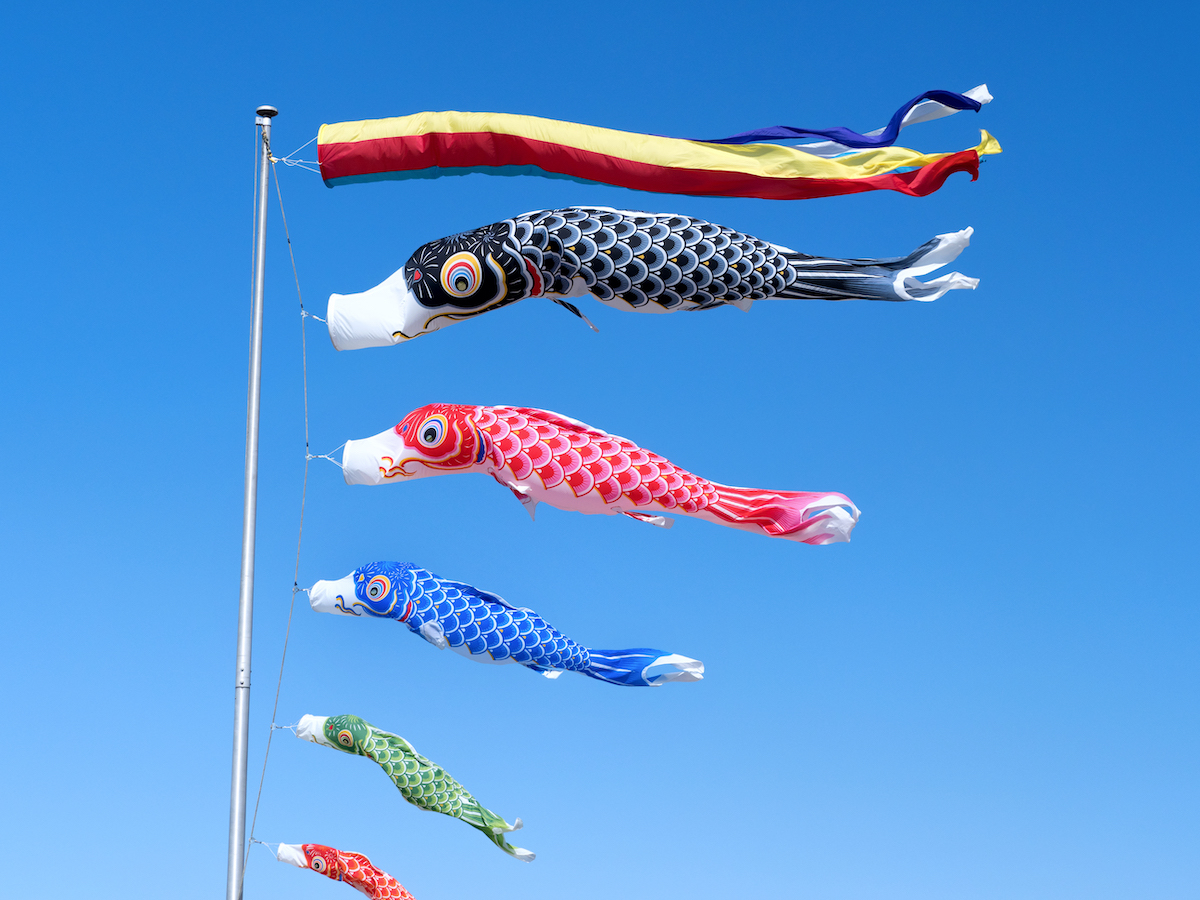
Cinco de Mayó may bring a splash of lime‑bright margaritas to Honolulu’s rooftop bars, but on many island porches the day unfurls a different kind of color: koinobori, the bright carp‑shaped flags that ripple above family homes in honor of Tango no Sekku, Hawai‘i’s beloved Boys’ Day. This quiet convergence of Mexican revelry and Japanese tradition is more than a calendar coincidence; it is a living illustration of the islands’ layered cultural tapestry. As we explore the story behind May 5, we also see why this hybrid celebration matters to travelers who crave authentic, community‑rooted experiences. For those planning their next island stay, the insight dovetails nicely with our recent guide to the most vibrant neighborhoods in the Aloha State—see The 5 Best Towns in Hawaiʻi in 2026 for a curated list of places where such traditions thrive.
The origins of Boys’ Day trace back to the Heian period, when families raised carp‑shaped streamers to symbolize strength, perseverance and the hope that their sons would grow up with the same spirit. In Hawai‘i, the practice arrived with Japanese immigrants in the early 1900s and quickly merged with the island’s own ethos of “ohana” and collective celebration. Today, the sight of koinobori fluttering beside a taco stand or a surf shop creates a visual dialogue between two cultures that have both shaped the islands’ identity. It reminds visitors that luxury here is not limited to five‑star resorts; it is also embedded in the everyday rituals of local families who invite neighbors, teachers and even passing tourists to share in the day’s joy. When a child’s laughter rings out as a bright red carp sails higher on a gentle trade wind, the moment feels both intimate and universally inviting—exactly the kind of elevated yet approachable experience we champion at Hanalei Bay Country Club.
Why should this matter to the discerning traveler? First, it reframes the typical holiday itinerary. Instead of booking a singular “Cinco de Mayó party” and moving on, guests can seek out neighborhoods where the koinobori are hoisted, perhaps stopping for a locally sourced poke bowl that blends Japanese seasoning with Hawaiian fish. The practice also underscores the island’s commitment to cultural preservation amid rapid development. By recognizing Boys’ Day alongside a global fiesta, Hawai‘i signals that its community values are not a monolith but a vibrant mosaic. This perspective aligns with our own philosophy of curating experiences that honor the land, sea and the stories that have sailed through them for generations.
Moreover, the dual celebration offers a subtle lesson in sustainable tourism. When visitors pause to learn why a family has hung a carp flag, they engage more thoughtfully with the environment and the people who call it home. Such moments turn a casual vacation into a purposeful adventure, encouraging guests to support local artisans who craft the koinobori from reclaimed fabric or to attend a community workshop on traditional Japanese calligraphy. The ripple effect extends beyond the day itself, fostering a deeper appreciation for the island’s multicultural heritage and, ultimately, a more resilient, inclusive tourism economy.
Looking ahead, we might ask: how will Hawai‘i’s next‑generation storytellers blend new influences with time‑honored customs, and what role will visitors play in that evolution? As the islands continue to attract adventurous souls seeking both luxury and authenticity, the answer will shape the very fabric of island life—much like the koinobori that dance above our doorways each May 5.
*This story was originally published on May 5, 2015, and updated in May 2026.
While plenty of bars and restaurants throughout Hawaiʻi will break out the Dos Equis, chips and salsa for today’s Cinco de Mayo holiday, many family homes will celebrate May 5 a little bit differently: by flying koinobori, colorful carp-shaped flags, in honor of Tango no Sekku, or Boys’ Day.
The traditional Japanese holiday’s original intent was to honor and recognize all male children on the fifth day of the fifth month, a corollary to Girls’ Day, which honors female children on the third day of the third month (March 3). In recent years in both Japan and Hawaiʻi, however, there has been a push to combine both Girls’ and Boys’ Days into one all-encompassing Children’s Day celebrated on May 5. Perhaps because it has been a longstanding tradition here, the individual holidays are often still recognized in Hawaiʻi.
Males whose families and friends celebrate Boys’ Day can expect to receive special attention on May 5. Popular gifted treats include kashiwa-mochi, a rice cake made with the sword-shaped leaves of an iris plant thought to ward off evil spirits and have healing powers, and chimaki-mochi, a similar cake wrapped in bamboo leaves. Within Japanese American homes, the day often also includes a display of masculine heirlooms like swords, bows and arrows, as well as musha-ningyo, armor-clad samurai Boys’ Day dolls.
If you happen to drive through a neighborhood in Hawaiʻi today, look for the carp windsock streamers “swimming” the trade winds from bamboo poles in front of houses. Carp are a classic Japanese symbol associated with strength, perseverance and longevity. In the wild, the fish swim against currents, scale waterfalls and can live a very long time—fitting qualities to emulate. Traditionally, each streamer represented a male in the household—the carp nearest the top of the pole usually symbolizes the father and is the largest, followed by the sons ordered by age. In more recent years with the onset of Children’s Day, additional carp have also been included and flown to honor the home’s mother and daughters.
From HAWAIʻI Magazine: ¡Ole! And, Happy Boys’ and Children’s Day!
Read on the original site
Open the publisher's page for the full experience