Celebrating World Ocean Month in Hawaiʻi
Our take
World Ocean Month arrives each June as a reminder that the Pacific’s blue heart beats in rhythm with every island community, and Hawaiʻi’s coral reefs are the living proof of that connection. The observance invites us to explore the ways marine health underpins food security, cultural practice, and the very spirit of aloha that draws travelers to our shores. In that spirit, we see the same reverence for place reflected in stories like The Best National Parks in Hawaiʻi in 2026 and the hands‑on discovery at At This Wahiawā Farm, Everyone Catches Something, where local stewardship meets curious visitors.
Beyond the calendar designation, the month spotlights a growing urgency: rising temperatures, plastic influx, and over‑extraction threaten the reefs that sustain both subsistence fishing and the vibrant tourism economy. For readers who value authentic, elevated experiences, the health of these ecosystems translates directly into the quality of a sunrise paddle, the flavor of a poke bowl sourced from a thriving fishery, and the cultural narratives shared by kumu hula on the beach. Understanding the science behind coral resilience empowers us to choose operators who practice responsible reef etiquette and to support policy efforts that protect marine corridors.
The broader significance lies in the intersection of community, culture, and commerce. When a local nonprofit partners with a luxury resort to fund reef restoration, the result is a curated experience that feels both luxurious and grounded — guests can indulge in a guided snorkel tour knowing their participation funds coral planting. This model mirrors the club’s own philosophy: adventure rooted in stewardship, sophistication that never loses sight of the island’s pulse. As more travelers seek purpose‑driven itineraries, the demand for transparent, locally led conservation will shape the next generation of island hospitality.
Looking ahead, the question worth watching is how quickly collaborative stewardship can scale from pilot projects to island‑wide standards. Will the momentum of World Ocean Month translate into year‑round funding, enforceable marine protected areas, and education programs that reach every schoolchild? The answer will determine whether the vibrant coastal culture we celebrate today remains a living legacy for the
Every June is World Ocean Month, with June 8 designated as World Ocean Day, a global observance recognizing the importance of our planet’s oceans.
The ocean plays a vital role in sustaining marine ecosystems, economies, cultures and communities around the world.
In Hawaiʻi, the ocean and its coral reefs have long been essential to the Islands’ cultural, ecological and economic well-being. From food sources and livelihoods to cultural practices and recreation, the ocean influences nearly every aspect of life in Hawaiʻi.
Rich in biodiversity, the waters surrounding the Islands are home to vibrant coral reefs, tropical fish, honu (green sea turtles), naiʻa (dolphins), manō (sharks), koholā (humpback whales) and hāhālua (manta rays).
It is critical to protect and care for Hawaiʻi’s oceans and marine ecosystems, which are vulnerable to climate change, coastal development, pollution, and the pressures of travel and a growing population.
As we celebrate World Ocean Month this June, here are a few ways to mālama Hawaiʻi’s waters and marine ecosystems that you can also practice year-round.
Always Respect Hawaiʻi’s Wildlife
Photo: Getty Images/YinYang
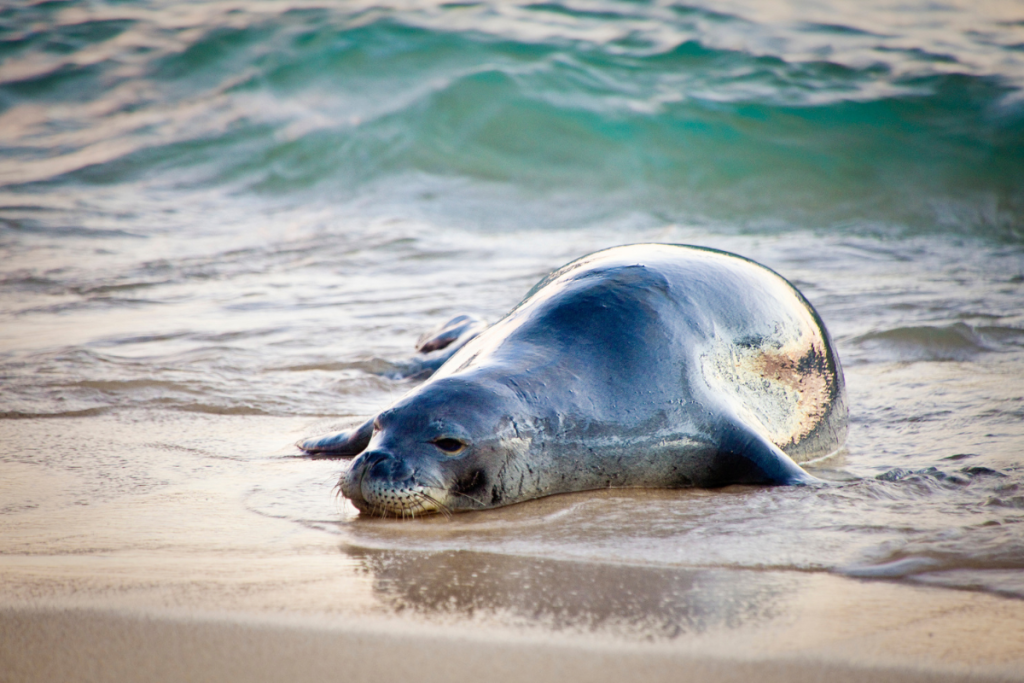
In Hawaiʻi, it is illegal to touch, harass, harm or kill any endangered or threatened wildlife—on land, sand or in the ocean. This includes threatened species like the Hawaiian green sea turtle, and endangered species like the Hawaiian monk seal. Violations of federal and state laws can result in significant fines and criminal penalties. Respecting wildlife is essential to protecting Hawaiʻi’s fragile marine ecosystems—and it’s just the right thing to do.
Always give marine animals plenty of space, especially if they are with their young, and avoid disturbing their habitats. Many of these species also hold deep cultural significance in Hawaiʻi.
READ MORE: Your Guide to Viewing Hawaiʻi’s Endangered Wildlife
Keep Our Oceans and Beaches Clean
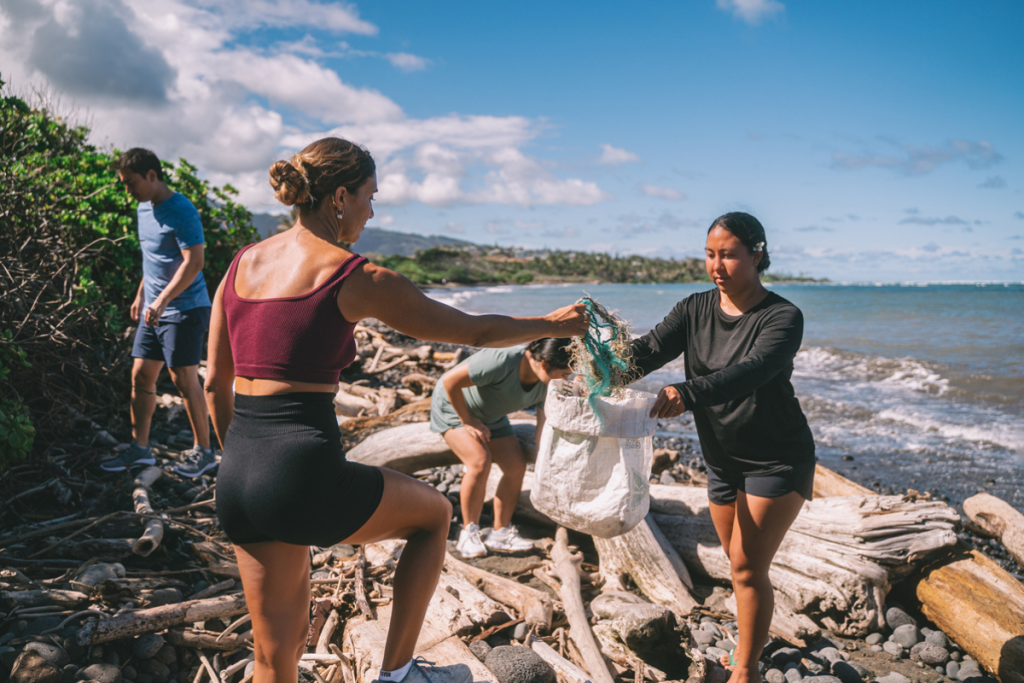
Photo: Hawaiʻi Tourism Authority (HTA)/Mathieu Duchier
When you develop deep respect for the ocean, you understand the importance of protecting it. By volunteering with organizations across Hawaiʻi, you can help preserve the Islands’ marine ecosystems for future generations while strengthening your own connection to these natural resources.
Nonprofit organizations throughout the Islands regularly host beach cleanup events. The Surfrider Foundation has chapters on Oʻahu, Maui and Kauaʻi that organize community cleanups and advocacy initiatives.
READ MORE: Mālama Hawaiʻi: Programs to Help You Get Started Volunteering
Be Respectful and Responsible at the Beach
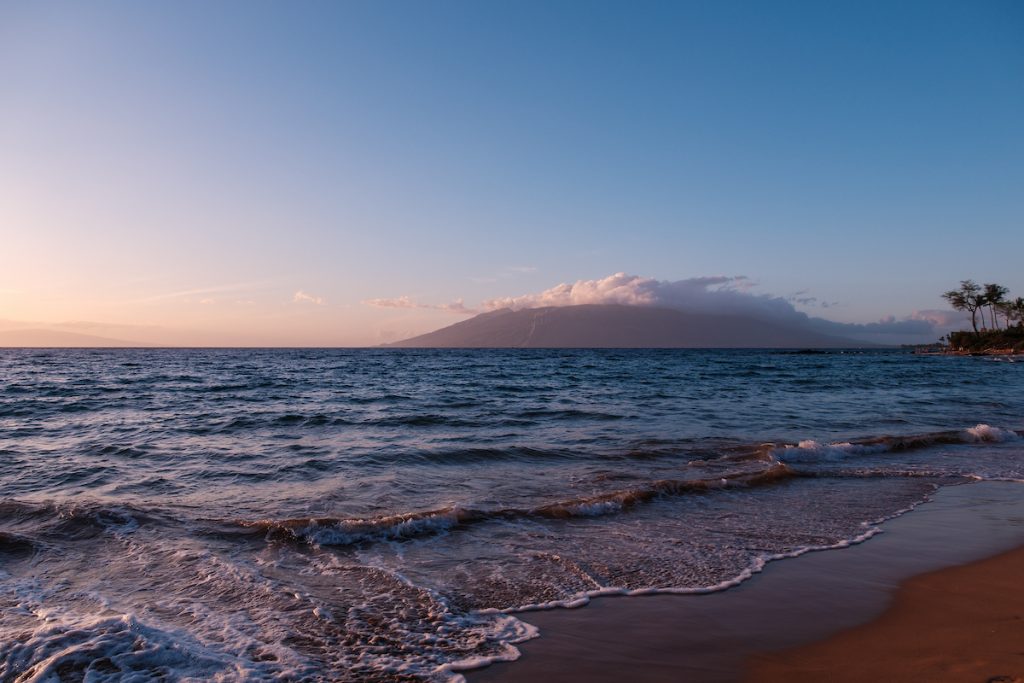
Photo: Aaron K. Yoshino
Whether you’re surfing, snorkeling, diving or spending the day at the beach, be respectful and responsible. Simple actions like using reef-safe sunscreen, avoiding contact with coral reefs and not feeding marine animals can make a lasting impact.
Remember:
- Use reef-safe sunscreen to help protect coral reefs
- Avoid stepping or standing on coral reefs
- Keep a respectful distance from marine life and do not feed them
- Dispose of trash and fishing gear properly
- Pick up litter, even if it isn’t yours
- Respect kapu or restricted areas designated to protect ecosystems and cultural sites
- Check ocean conditions, talk with lifeguards and understand your swimming abilities before entering the water at local beaches
- Practice sustainable fishing by following size, season and catch limits
- Choose eco-conscious tour operators that follow wildlife protection guidelines
Read on the original site
Open the publisher's page for the full experience