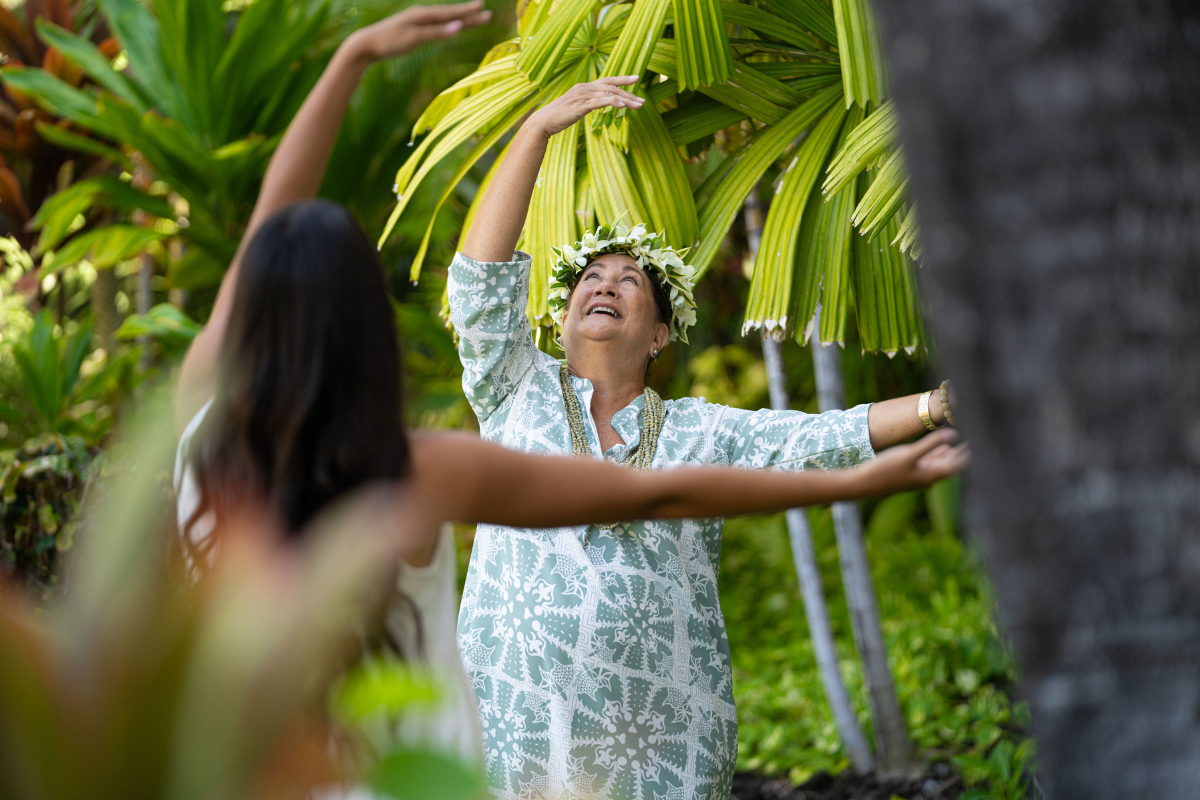
The story of Kaʻiulani Blankenfeld at Fairmont Orchid resonates deeply with the spirit of Hanalei Bay Country Club – a commitment to weaving authentic cultural experiences into the fabric of luxury hospitality. It’s more than just a job description; it’s a testament to the power of long-term dedication and the profound value of integrating local heritage into the guest experience. Her journey, spanning 25 years with the resort and culminating in her role as Director of Hawaiian Culture, highlights a shift within the hospitality industry towards a more meaningful and respectful engagement with the places we visit. This move away from purely transactional tourism aligns perfectly with our own ethos of discovery and connection. It’s a welcome counterpoint to the sometimes-superficial cultural offerings found elsewhere, demonstrating a genuine desire to share the richness of Hawaiian traditions, as explored in our piece on The Most Underrated Hawaiian Island, where we discuss the importance of venturing beyond the typical tourist trail to find authentic experiences.
Blankenfeld’s background as a lifelong *hula* practitioner and teacher is particularly significant. Hula is far more than just a dance; it’s a living oral tradition, a repository of Hawaiian history, genealogy, and spiritual beliefs. Having someone with such deep roots – and a commitment to its preservation and sharing – at the helm of cultural programming elevates the entire experience for guests. It transforms what could be a staged performance into a genuine glimpse into the heart of Hawaiian culture. This level of authenticity is increasingly sought after by discerning travelers who are tired of manufactured experiences. It also speaks to a broader movement within Hawai'i towards responsible tourism, acknowledging the importance of protecting and honoring the islands’ traditions and resources. The challenges of waste management, even seemingly mundane ones like those highlighted in Kapa‘a Refuse Transfer Station now accepting loose mixed waste, underscore the need for a holistic approach to sustainability and respect for the environment, which are intrinsically linked to cultural preservation.
What makes Blankenfeld’s story particularly compelling is her gradual ascent within the resort, moving through various departments before finally embracing her true calling. This highlights the value of internal promotion and recognizing the diverse skill sets within an organization. It's a rejection of the notion that cultural expertise must come from outside, affirming that genuine understanding often blossoms from a deep familiarity with the place and its people. Her long tenure allows her to build relationships and foster a sense of *ohana* – family – within the resort and the surrounding community, further enriching the cultural programming. This dedication to building relationships is a cornerstone of the elevated island lifestyle we champion, moving beyond surface-level interactions to forge genuine connections with the local culture. The sheer determination it takes to maintain a lockdown, as detailed in So… how did this guy escape?, speaks to the resilience and close-knit nature of Hawaiian communities.
Ultimately, Kaʻiulani Blankenfeld’s story is a microcosm of a larger trend: the growing recognition that luxury hospitality isn't just about opulent amenities and stunning views; it’s about creating meaningful connections with the place and its people. It's about offering guests a chance to truly *experience* the spirit of Hawaiʻi, beyond the postcard clichés. Her dedication to preserving and sharing Hawaiian culture at Fairmont Orchid sets a powerful example for other resorts and destinations seeking to provide authentic and enriching experiences. The question now is: how can more resorts actively cultivate and empower individuals like Blankenfeld, recognizing that the true luxury lies in the authenticity and depth of the cultural connections they foster?