8 Reasons We Love Summer in Hawaiʻi
Our take
Summer in Hawaiʻi has always been a season rich with transformation and connection to nature, as highlighted in the article detailing the ancient Hawaiian understanding of seasonal changes through their sophisticated lunar calendar. The observation of celestial bodies and natural phenomena, such as the spawning of ʻamaʻama (mullet), not only reflects a deep-rooted cultural heritage but also emphasizes the importance of being in tune with the environment. This perspective is vital for both residents and travelers alike, as it serves as a reminder to appreciate the island's natural rhythms and the cultural narratives interwoven with them.
The ability of ancient Hawaiians to navigate their world through the lens of the stars and seasonal changes speaks volumes about their relationship with the land and sea. This intimate understanding of nature is echoed in modern practices and experiences available today, such as the celebration of local customs and traditions. As visitors explore these islands, they are encouraged to engage with this cultural wisdom, whether through participating in traditional ceremonies or simply taking a moment to observe the stunning night sky. For instance, readers interested in the significance of ceremonial practices might find our piece on Leis & Ceremony Around Release/Disposal insightful, as it delves into how these traditions continue to shape community bonds and personal connections in contemporary Hawaiʻi.
Moreover, the seasonal shift from the cooler, wetter season of Hoʻilo to the vibrant warmth of summer brings its own set of experiences that enhance life on the islands. Summer is a time when the community comes alive with festivals, agricultural harvests, and opportunities for outdoor adventures. This is not only a period of enjoyment but also one of learning and exploration. For those curious about the impact of natural elements on daily life, our article on Strong winds, heavy rain prompt closures on Oahu, Kauai - KHON2 provides a context for how seasonal changes can shape community responses and resilience.
As we navigate through the summer months, it is essential to reflect on what these seasonal cycles mean for our understanding of sustainability and environmental stewardship. Ancient Hawaiians exemplified a model of living that respected and honored the land, and today’s travelers and locals alike can take inspiration from this. The opportunity to indulge in seasonal flavors, engage with local artisans, and connect with the community fosters a sense of belonging and appreciation for the islands’ unique culture and natural beauty.
Looking ahead, one must consider how this rich understanding of seasonal transitions can inform our approach to tourism and conservation in Hawaiʻi. Will visitors become more conscious of their impact on the environment? Can we foster a deeper connection to the land that transcends mere vacation experiences? As we embrace the spirit of adventure and exploration, it’s crucial to ask how we can contribute to a more sustainable future while honoring the legacy of those who came before us. Summer in Hawaiʻi, then, is not just about enjoying the sun and surf; it’s about embracing a philosophy of living in harmony with the world around us.
From identifying changing constellations in the night sky to noticing when ʻamaʻama (mullet) spawn, ancient Hawaiians were incredibly observant of their natural surroundings and the shifts in seasons.
They used a sophisticated lunar calendar consisting of 12 months, which were marked by the appearance of different stars and constellations. These months were divided into two seasons. The cooler, wetter season is Hoʻilo, which runs from about October to April. Kau Wela is the warm, drier season, which runs from about May through September.
With warm and pleasant weather throughout the 12 the year, it sometimes feels like we live in a perpetual summer in Hawaiʻi. Fall and spring are simply terms used to describe school semesters. However, locals know there are subtle differences between the seasons.
These are just a few of the reasons we look forward to the summer months in Hawaiʻi every year.
1. Seasonal Specialties
Photo: Grace Maeda
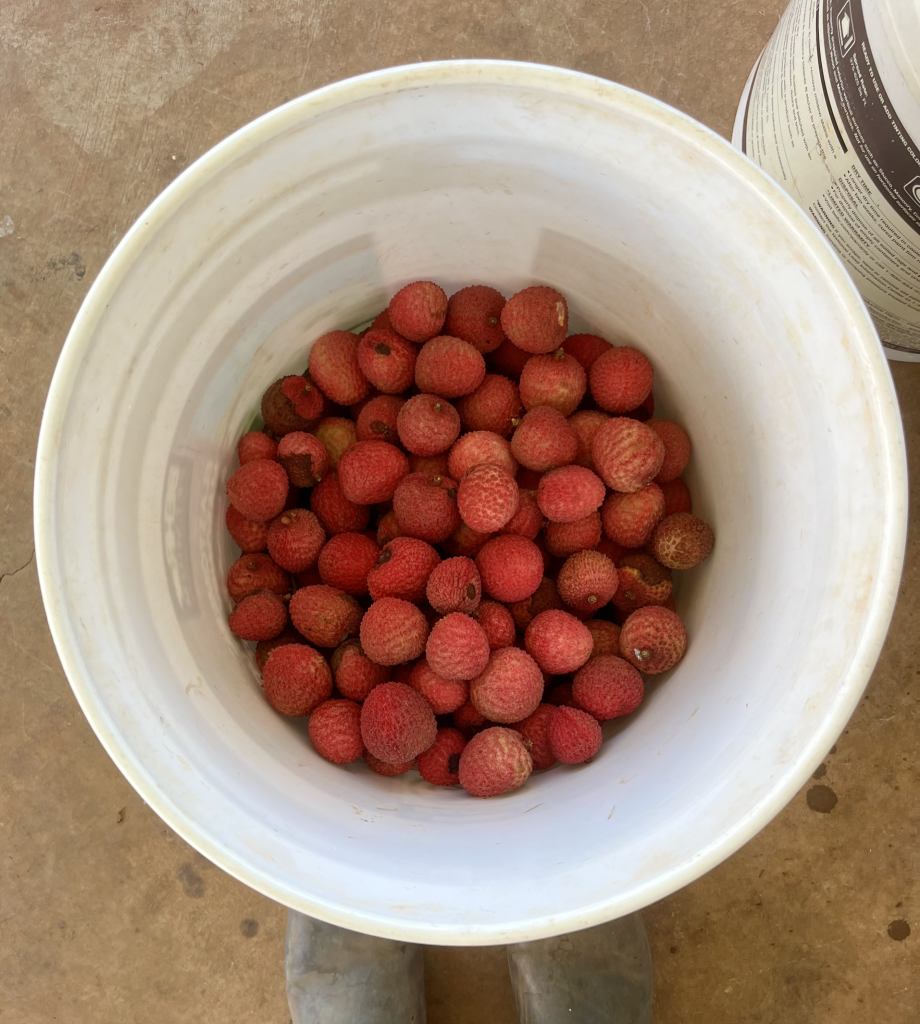
It’s not just mangoes that grow in abundance during the summer. Lychee, lilikoʻi, soursop and calamansi are just a few other favorites that locals often share with their neighbors. Across the Islands, farmers markets overflow with vibrant fruit stands, from the KCC Farmers Market on Oʻahu and Upcountry Farmers Market on Maui to the Grove Farm Market on Kauaʻi and Hilo Farmers Market on Hawaiʻi Island.
READ MORE: 9 Ways to Sink Your Teeth into Mango Season in Hawaiʻi
2. Shave Ice Season
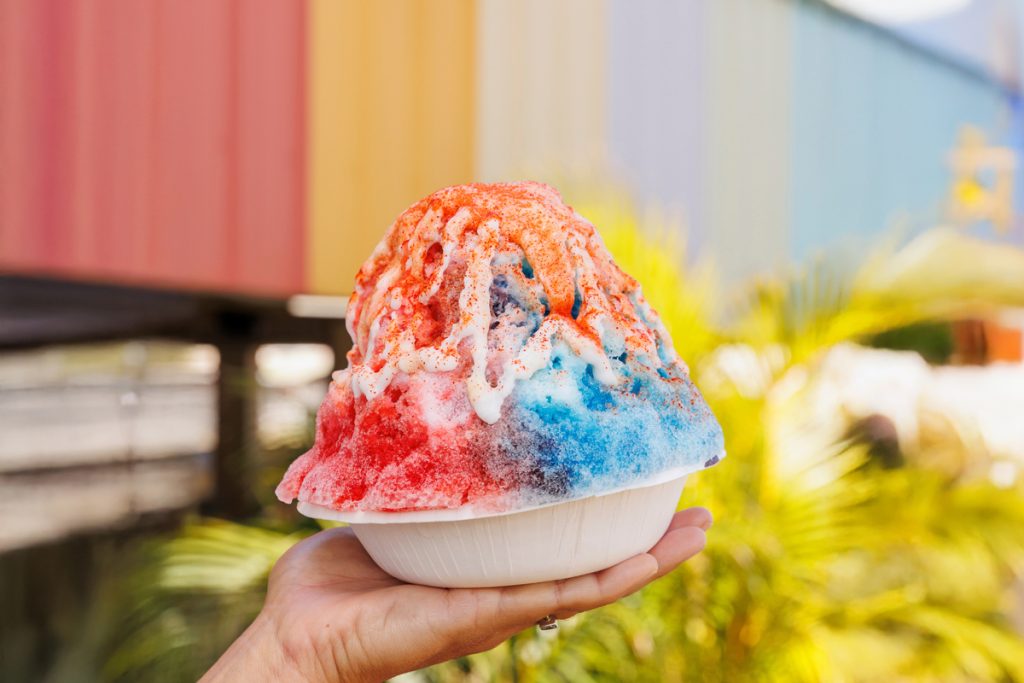
Photo: Aaron K. Yoshino
Sure, you can enjoy shave ice at any point in the year. But for many locals, it’s the sweet nostalgia of indulging in the refreshing treat after a day at the beach that takes you back to your “little kid” days during the summer.
READ MORE: Why Waiola Shave Ice is an Endearing Favorite
3. Pua Bloom
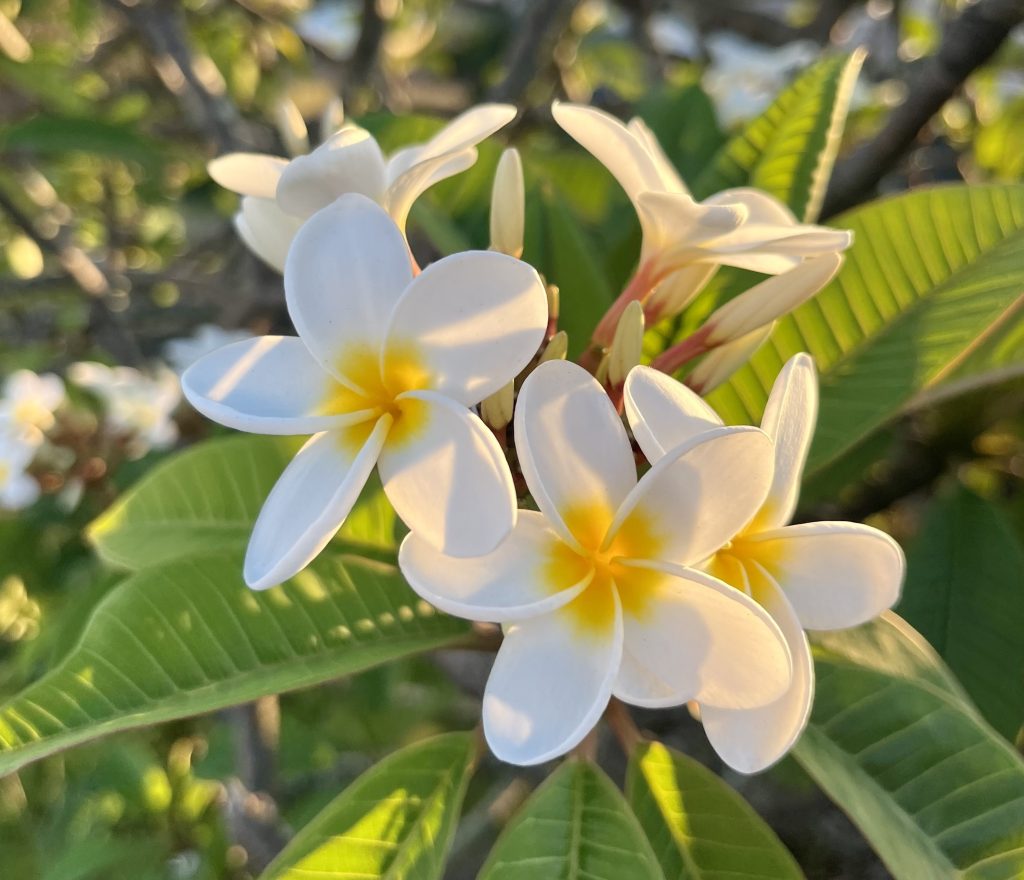
Photo: Grace Maeda
From pua kenikeni to plumeria, the Islands’ fragrant pua (flowers) often bloom in the summer months. It’s a great time of year to visit a botanical garden to see what plants are in season.
READ MORE: Escape to This Outdoor Oasis in Honolulu
4.Beach Days on the North Shore
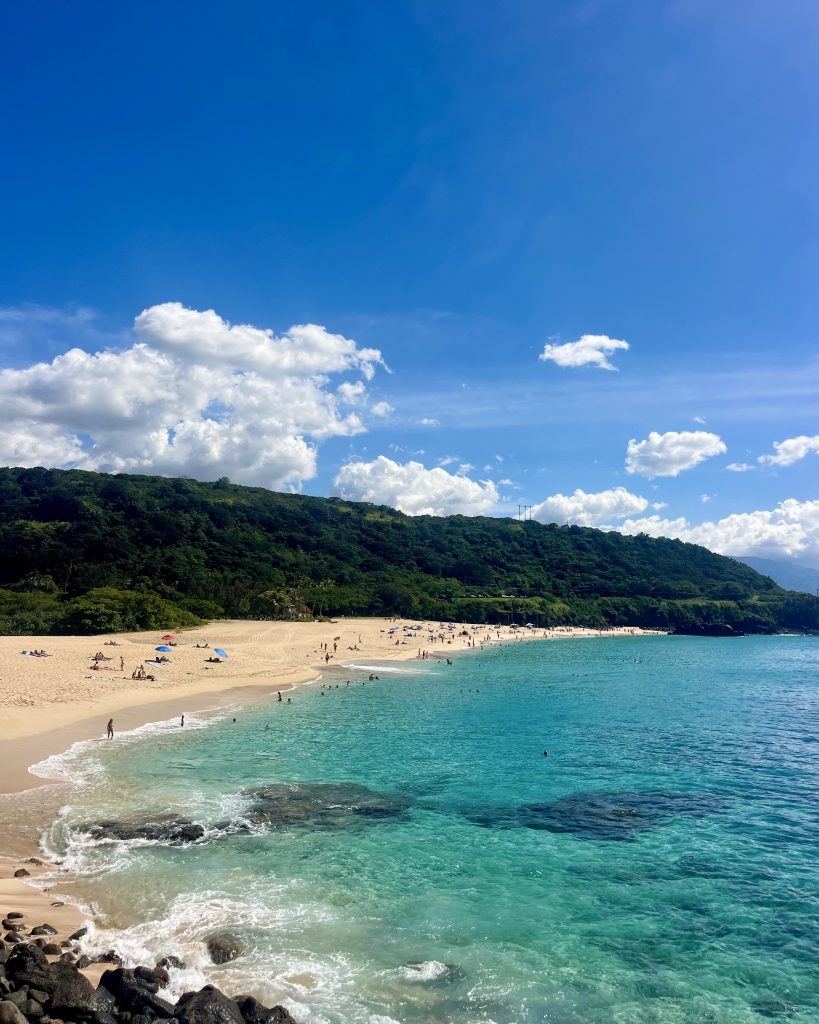
Photo: Grace Maeda
Some of the best beaches across the Islands stretch along their northern coastlines. From ʻEhukai Beach Park on Oʻahu and Hoʻokipa Beach Park on Maui to Kēʻē Beach on Kauaʻi, it’s easy to be captivated by these sandy shores. During the winter months, these beaches are known for their large waves and dangerous rip currents. Fortunately, the conditions are typically much calmer in the summer, making for long and beautiful beach days.
5. South Shore Swells

Photo: David Croxford
While the North Shore is graced by calmer waters in the summer, the south shores see exciting swells generated by winter storms in the Southern Hemisphere. These swells typically peak between May and September, bringing fun waves that are often ideal for beginners and longboarders.
6. King Kamehameha Day
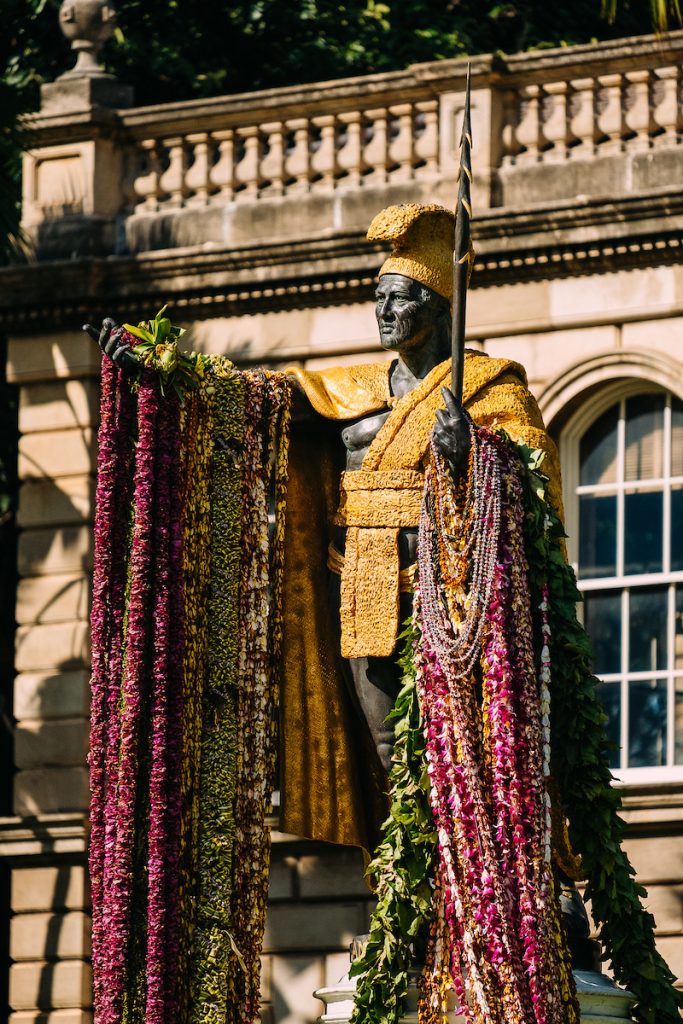
Photo: Aaron K. Yoshino
June 11 is an official state holiday celebrating Kamehameha the Great, one of the most important and legendary rulers in Hawaiian history. The monarch united all the major Hawaiian Islands, establishing the Kingdom of Hawaiʻi. On Oʻahu, state leaders and community members gather in Downtown Honolulu to adorn the King Kamehameha Statue with beautiful lei. On Hawaiʻi Island there are two statues of the king, one in Hilo and one in front of the North Kahala Civic Center. Both statues are ceremoniously draped in lei to celebrate Hawaiʻi’s great king.
READ MORE: 3 Legends About Hawaiʻi’s King Kamehameha
7. Summer Festivals in Hawaiʻi
Hawaiʻi hosts an exciting mix of annual events throughout the summer. Be sure to bookmark the Hawaiʻi Kuauli Pacific & Asia Cultural Festival on Hawaiʻi Island in early June, the Kapalua Wine and Food Festival on Maui at the end of June, and Duke’s OceanFest on Oʻahu in August.
8.Bon Dances

Photo: Hawaiʻi Tourism Authority (HTA)/Kazuya Kajita
When waves of immigrants arrived to work on sugar plantations in Hawaiʻi, they also brought many customs and traditions. Japanese plantation workers planted the seeds for Obon season. These festivals include Bon dances; a style of folk dance performed to honor ancestral spirits. Dancers circle around a yagura (tower). Across the Islands, Buddhist missions welcome everyone to participate.
Read on the original site
Open the publisher's page for the full experience