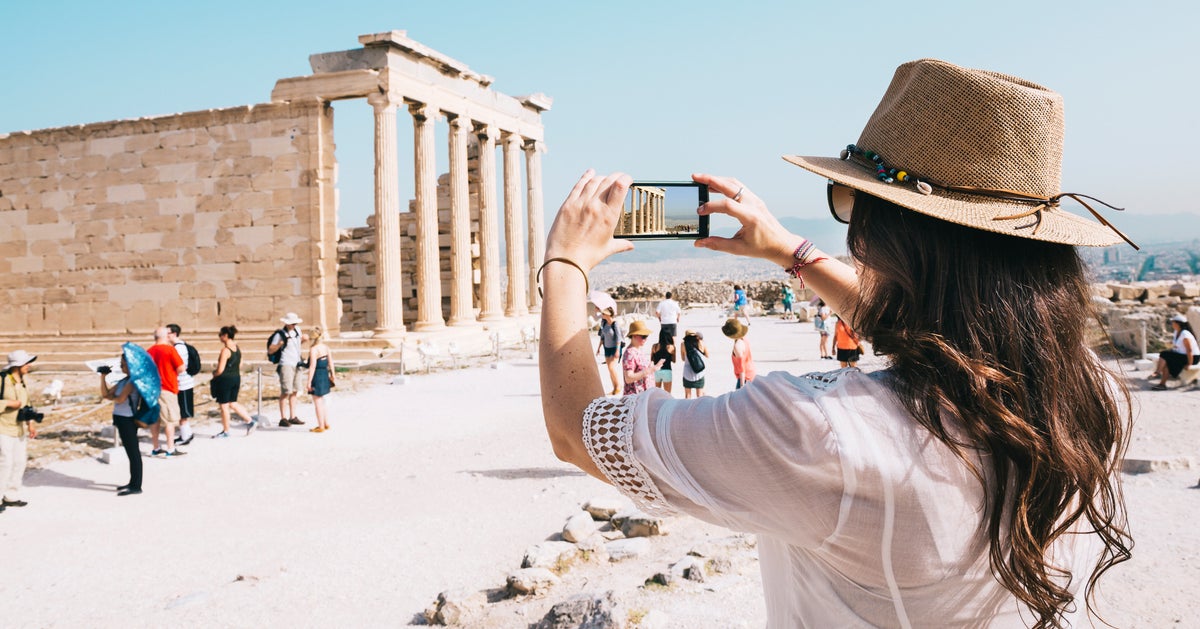
Travel is a two-way street. The moment we step off the plane, we aren't just visitors to a place, we become temporary members of its community, and that comes with a responsibility to honor the rhythms and values of the people who call it home. A recent roundup of etiquette experts' advice on common travel faux pas is a useful reminder, but it misses the deeper point: the aloha spirit isn't something you can passively absorb. It's something you actively contribute to, or you quietly drain it away. We've seen this play out in real time, especially in Hawaiʻi, where the difference between a respectful traveler and a thoughtless one can be felt in the very air of a town. For our readers, who already seek authentic, elevated experiences, the real takeaway isn't just a list of don'ts. It's a shift in mindset.
The faux pas highlighted by the experts, things like ignoring local tipping customs, speaking too loudly in sacred spaces, or refusing to learn a few basic phrases, are symptoms of a deeper issue: treating a destination like a backdrop rather than a living, breathing home. This is where our previous coverage of How to Explore Kauaʻi With Respect for Its Resilient Communities hits directly on the heart of the matter. Over the past year, we've watched communities across Hawaiʻi rally together through hurricanes and tropical storms. That resilience is not a tourist attraction; it's a living culture that asks for participation, not observation. The etiquette experts are right to call out the small slips, but the bigger faux pas is arriving without curiosity about what the community has endured and what it values. A traveler who skips the line because they didn't check the details on their boarding pass, a mistake we covered in Skip the line: make sure this one detail is on your boarding pass, is simply unprepared. A traveler who skips learning the local story is disconnected.
The contrast between a transactional trip and a transformative one is stark. The etiquette advice tends to focus on surface-level behavior: don't haggle aggressively, don't assume everyone speaks English, don't photograph people without asking. These are good rules, but they are the bare minimum. What we advocate for is a deeper engagement. When you visit a place like Kauaʻi, you are stepping into a world where surfers like Bruce Irons have spent decades reading the ocean and the links with equal reverence, a connection we explored in The Big-Wave Mindset: Bruce Irons on Surfing's Link to the Links. That kind of relationship with place isn't built on a checklist of etiquette; it's built on respect that becomes second nature. The faux pas that truly quiets the aloha spirit is the one that treats local culture as a service to be consumed rather than a gift to be met with grace.
Here's the concrete point: the next time you travel, stop asking "What's allowed?" and start asking "What's appropriate here?" The difference is the difference between a tourist and a guest. One follows rules; the other honors relationships. And in a world where every destination is increasingly fragile, ecologically, culturally, emotionally, the only faux pas that matters is the one you didn't know you were making. So learn the local word for thank you before you go. Tip the person who hands you a towel with the same generosity you'd offer a friend. And if you find yourself in a place that has weathered a storm, listen before you speak. That's the real path to the aloha spirit, and it doesn't require a list of rules, just an open heart.